
Author: Ugo Baldassarre
Translation: Giorgio Aprile
It seems an eternity has passed: in reality, only one month has passed since the presentation of the new Olympus OM-D E-M1 Mark III.
No one could have imagined what was going to happen, why, among other things, I have not yet managed to get my hands on a test sample (on the other hand, just as I have always set up my test method, it would also be impossible to carry out an actual field test).
However, during this time, I have received several messages and requests, from acquaintances and non-acquaintances, asking me what I thought of the newborn, especially in relation to the excellent prices at which interesting alternatives can be found, first the Olympus OM-D E-M1X.
I have talked for a long time with someone who has already made the investment on the new camera, while the direct experience with the EM1X is mine, since I recently took possession of it (finally!).
So taking advantage of the more than two years of use with my several E-M1 mark II (of which the new model fully shares aesthetics and ergonomics), the first – fleeting – contact during product presentation and the experiences collected on the web I tried to draw some conclusions that I think may be of common interest.

In terms of pure performance E-M1 mark III and E-M1X are currently paired. The new Truepic IX image processor seems to rival on par with the previous model that equips the X.
How much this parity will be maintained in the future is not known: many hope that the X’s computational advantage is still underutilized (and we have already seen how Olympus has been able to reinvigorate its products even at a distance of time). Now the two electronics, in fact, are equivalent, at least in the normal use of the product: IQ is practically identical, as well as the management of the new functions such as the freehand Hi-Res and the Live ND Filter. If it were not clear, the new E-M1 really has a lot of computing power, despite the very compact dimensions.


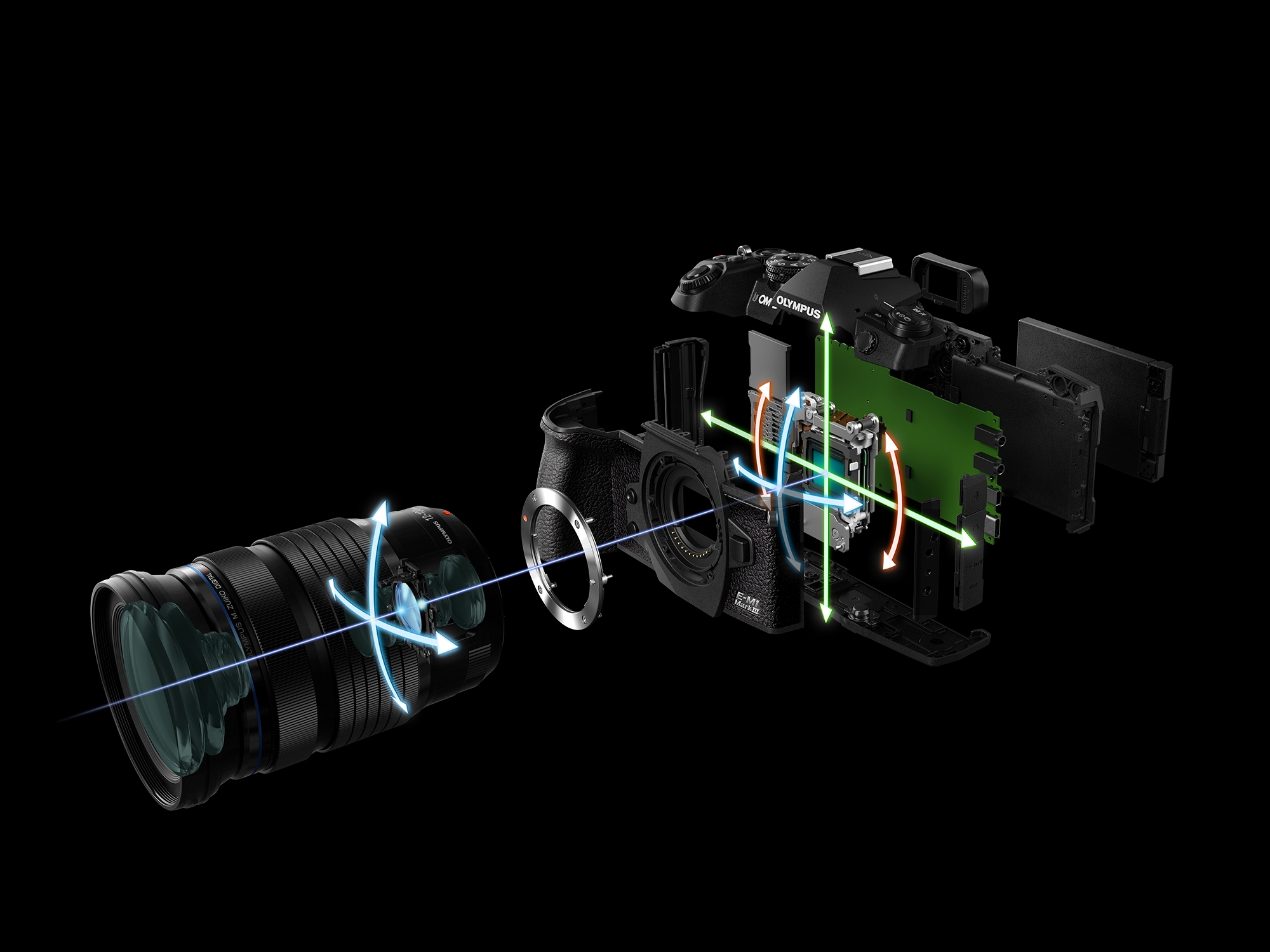
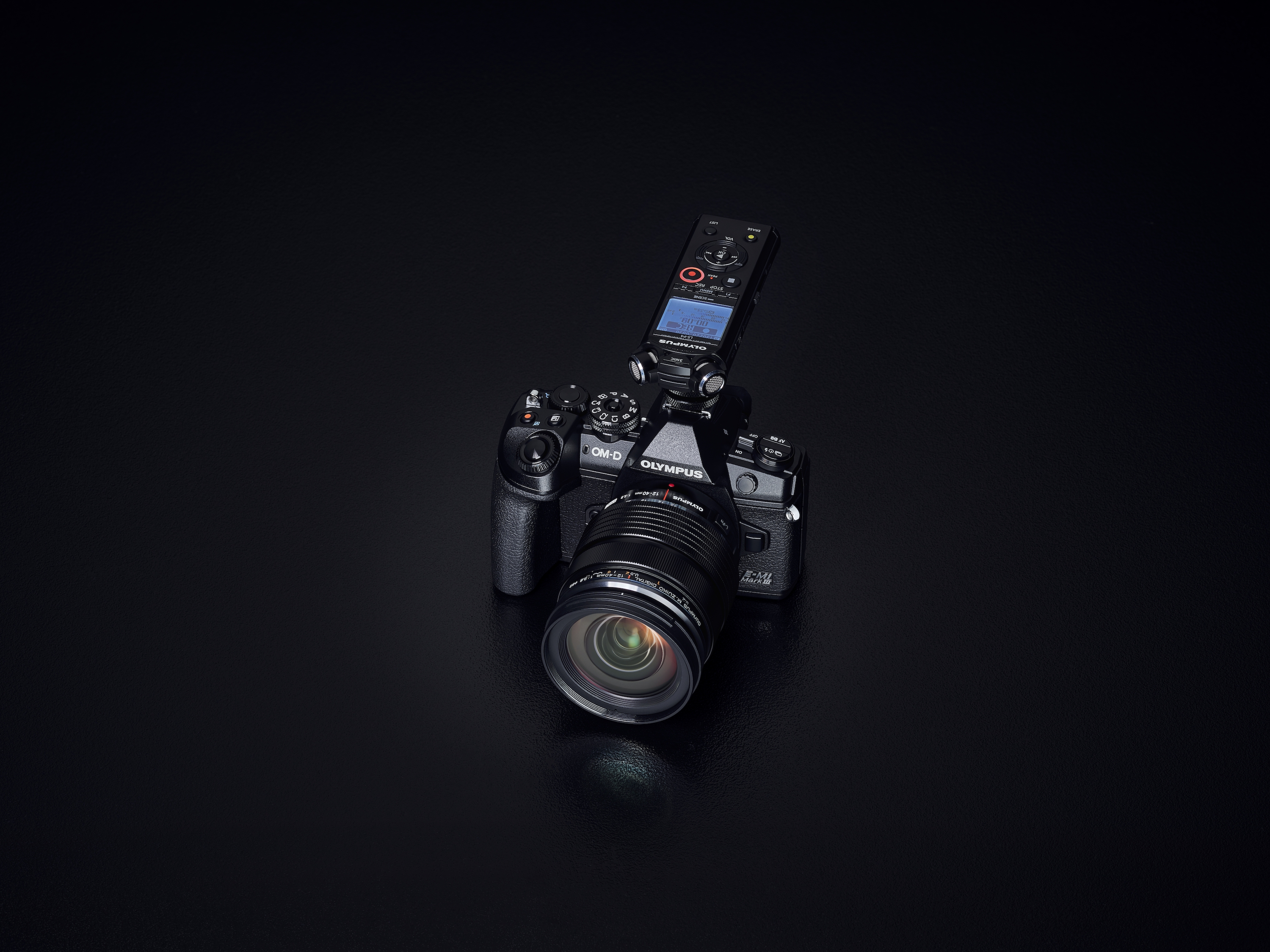

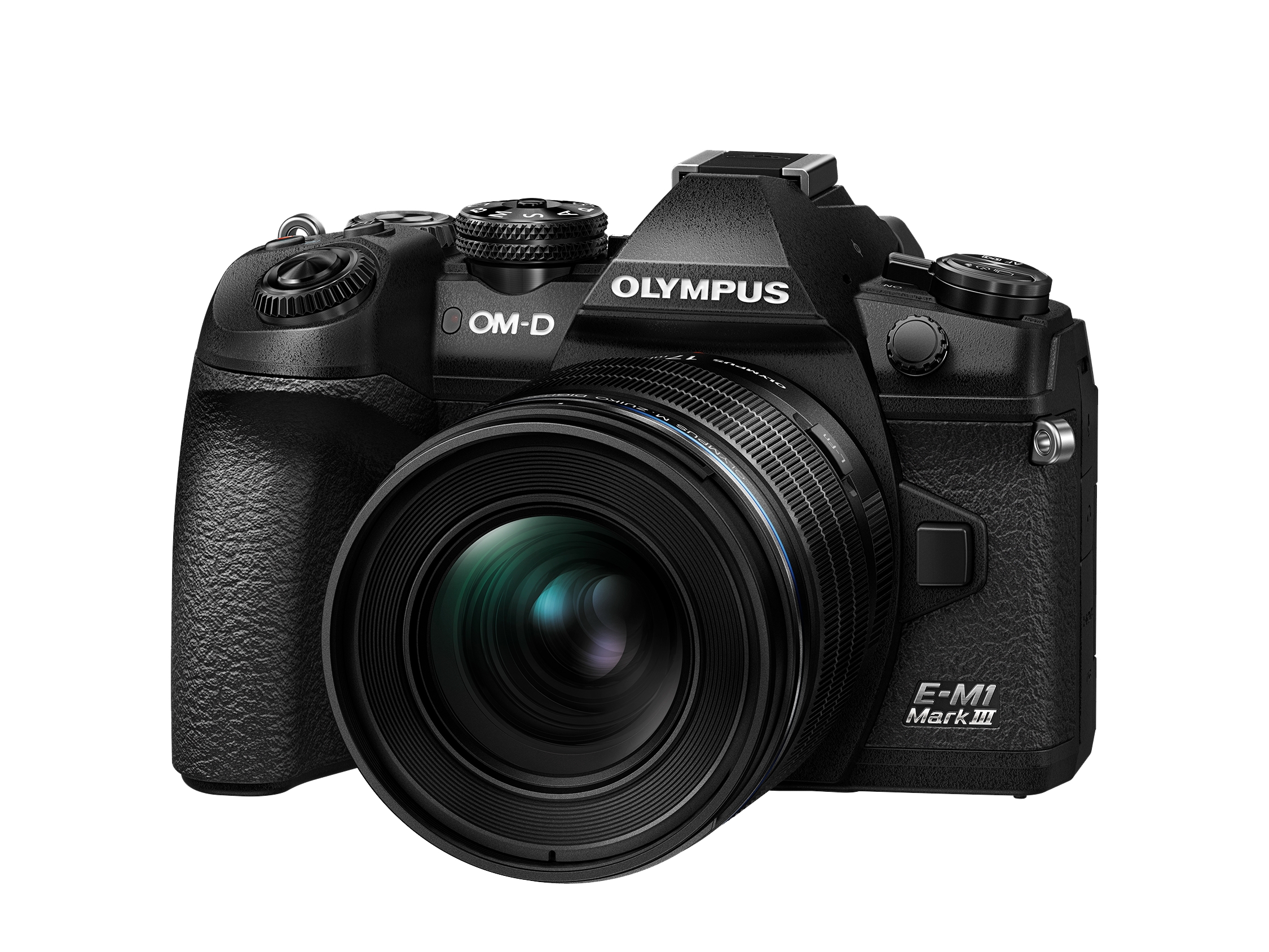
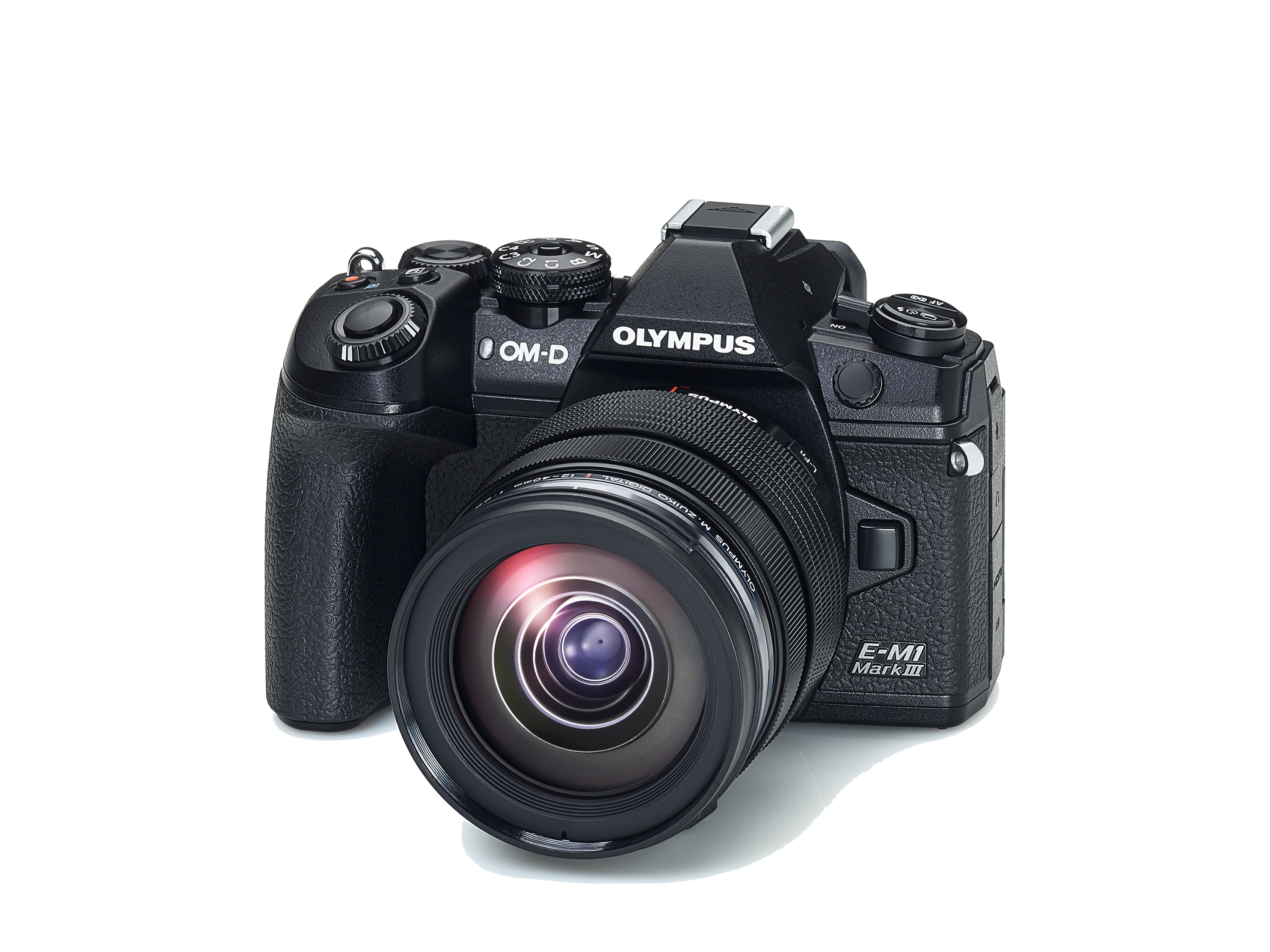


Also on a constructive level, the third version of the top model of the Japanese brand has made a further leap forward: the mechanical shutter now has a declared duration equal to that of the X and the weather sealing is of an excellent level too.
In short, in the idea of Olympus designers, the E-M1 Mark III is a “small” X, designed for all professional uses where small dimensions are preferable.
There are many fields in which, for example, the reduced dimensions of the camera body remain preferable (the only use of a gimbal, for example, or of a tripod or simply a more comfortable transport).
As many hoped, the new E-M1 Mark III also took the joystick from its “big sister”, which makes the use much faster and more dynamic: it is possible to move the focus point or the masks very quick and intuitive way, in all directions, including diagonals.
The Olympus stick is certainly one of the best on the market, demonstrating the fact that each new implementation is always carefully studied and tested to be comfortable and well integrated into the layout of the controls.

- Marco Lazzarelli – OM-D EM-1 Mark III
At this point one of the most marked differences between the two flagships is revealed: if it is true that the new Mark III does not skimp on any function it is equally true that the X has all, and by all I mean all, the commands replicated, perfectly, even in the vertical shot. As you decide to hold it, the X is always perfectly balanced and perfect in your hand. In addition, the viewfinder, despite having identical resolution, is significantly larger (and beautiful).
The OM-D E-M1 Mark III seems to want to claim to be perfect, ready for anything, but leaving the right margin to the X in case you need, intensively, vertical shooting.
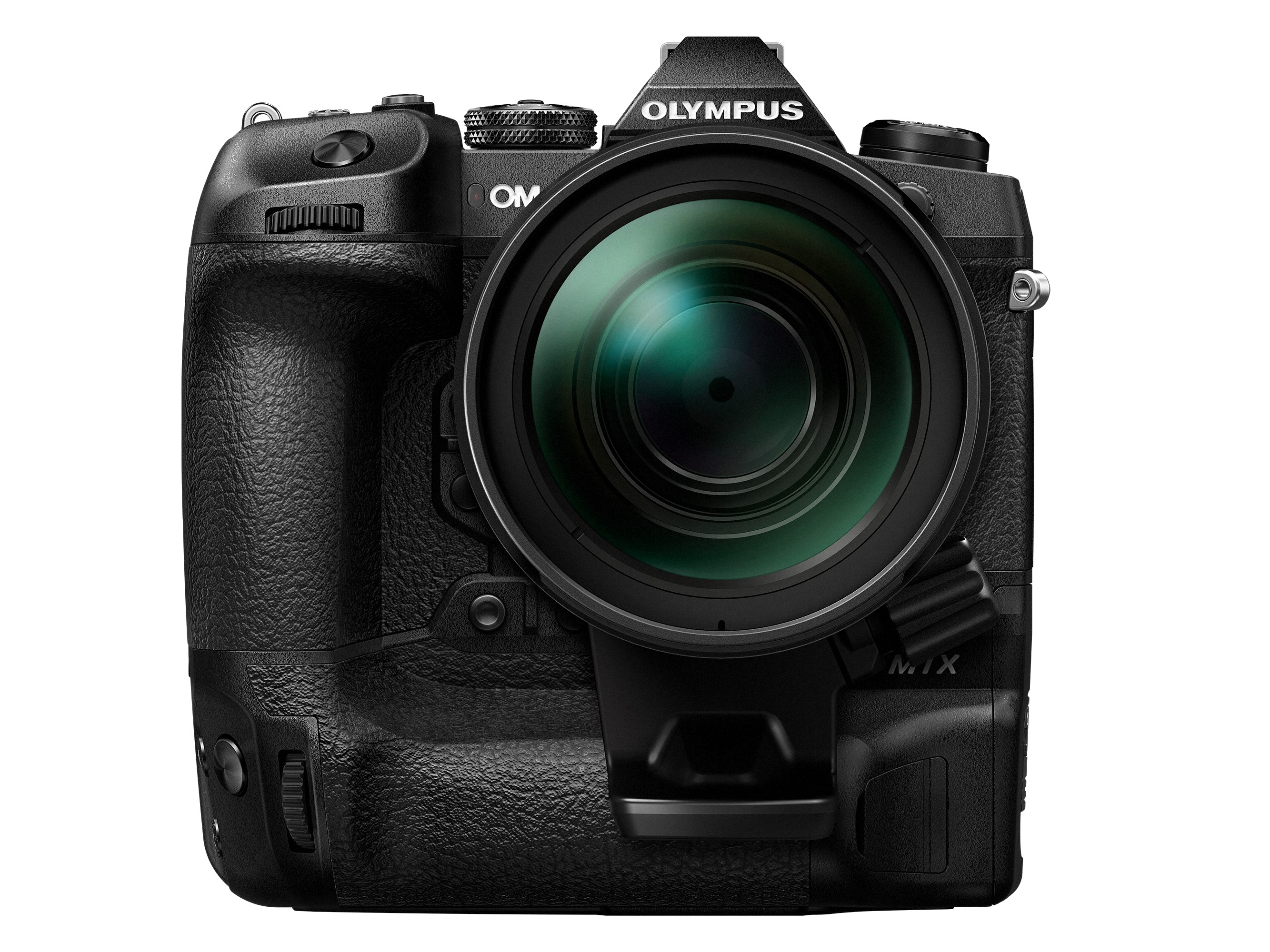

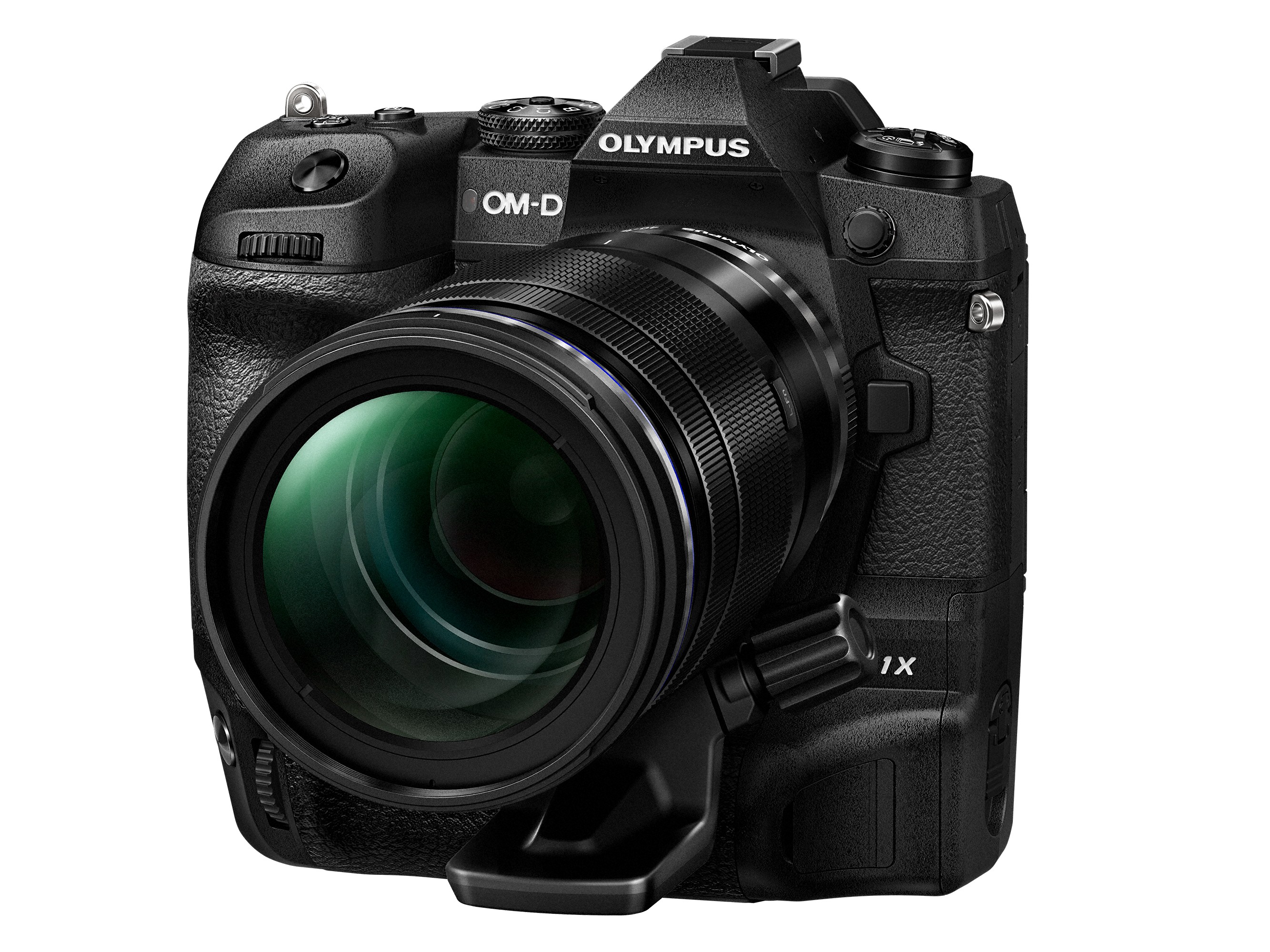

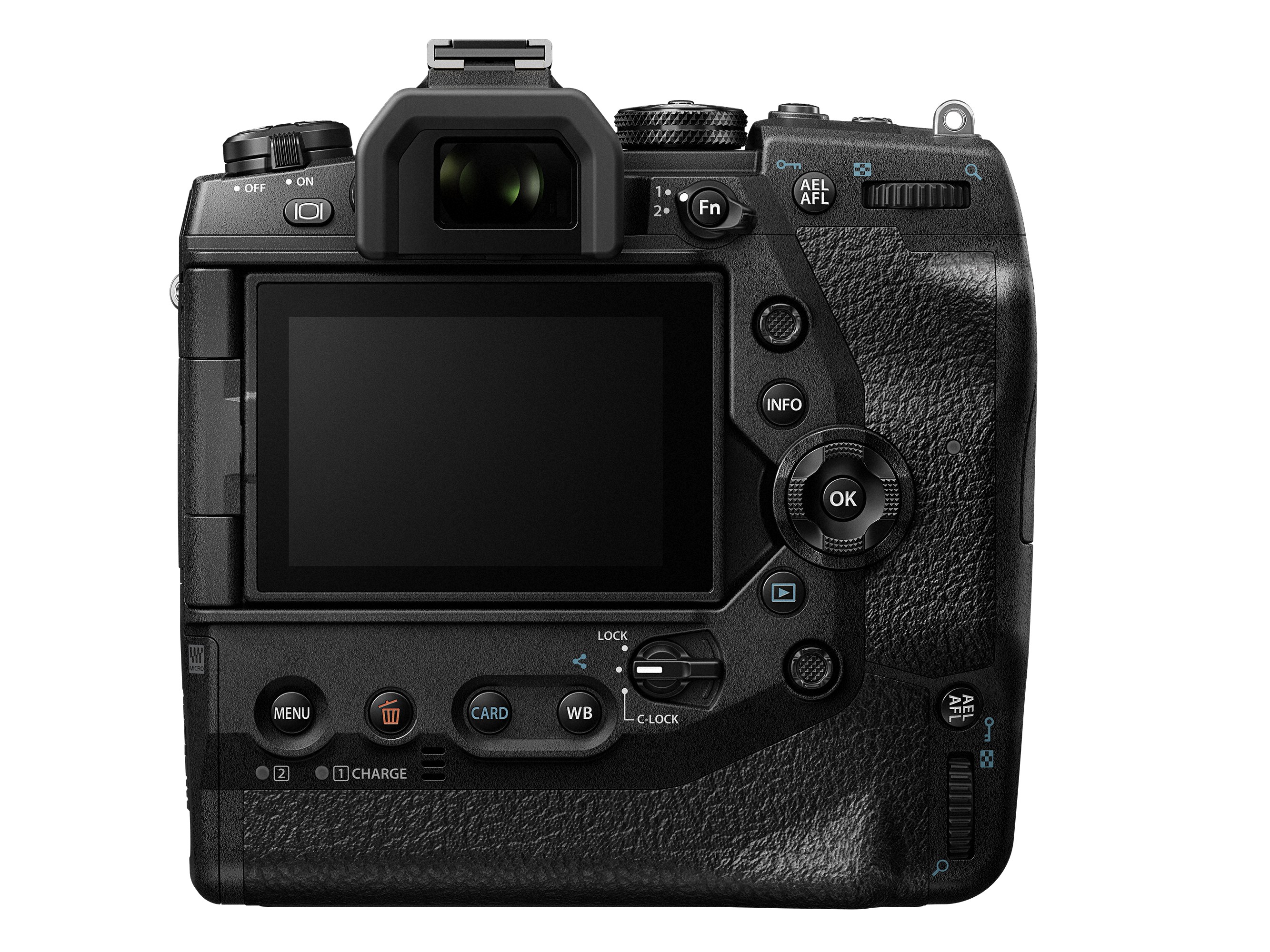

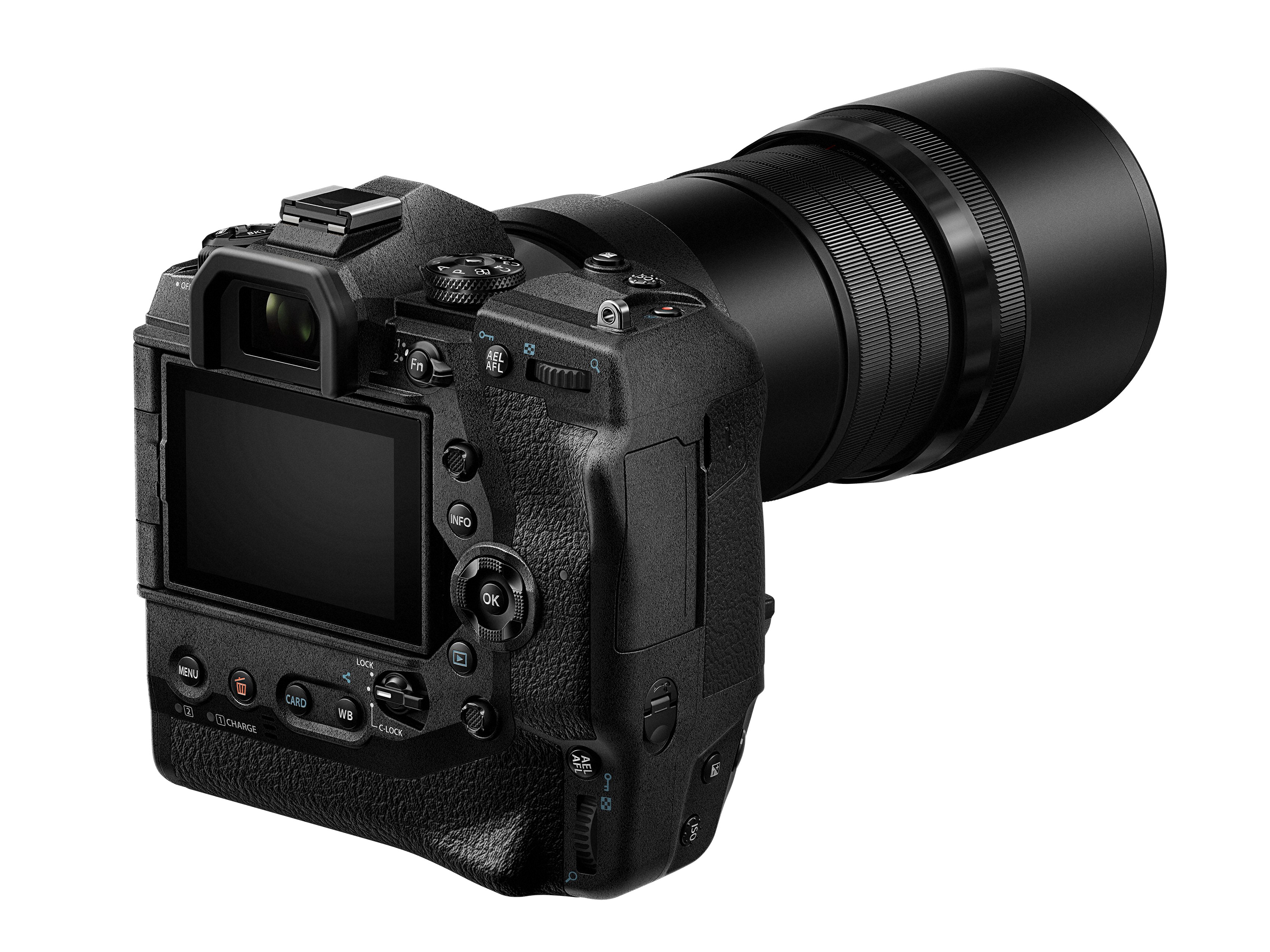

For the first time since the birth of the I series, in fact, this time there has not been an additional dedicated holder, but Olympus decided to leave full compatibility with that of the previous version. It is a great thing, certainly, and a cheaper expense for those who decide to upgrade from the previous model. However, with this approach, the new E-M1 Mark III cannot achieve the perfect efficiency of the X because both the double stick and the perfect replica of all the controls are missing (such as the two buttons near the mount, which on the X are also present vertically).

- Ugo Baldassarre – Ritratto di Arianna con E-M1X
As a portraitist, for instance, I mainly use the camera in portrait mode. The E-M1X gives me an unattainable feeling of use in this case, although I cannot complain about the previous combo, E-M1 Mark2 + HLD9.
In my case, I had no doubts about what to orient myself, on the other hand I think I have never used my E-M1 and E-M1 Mark II without their battery grip.
For all those, however, in which this shooting mode is superfluous or not preponderant, I believe that the “light” solution offered by the newborn is a real godsend. All the best of Olympus technology in a compact and super professional body.
In practice, in short, there are no differences in yield or performance. Even the AF of the new Mark III, although not “customizable”, seems to have nothing to fear from the comparison with the X.
It is therefore really a matter of personal preferences, gained in the field with the experience of use, which should dictate the choice of one or the other product. In my case the perfect vertical usability and the best management of the double battery (both in a single compartment) were fundamental in the choice.
However, I am sure that many will find, in the characteristics of the OM-D E-M1 Mark III, the perfect solution to their needs.
In short, two outstanding cameras, to satisfy, in detail, the professional needs of anyone who seriously uses this photographic system.