
Original text By Ugo Baldassarre – (English translation by Chat GPT)
In collaboration with Polyphoto SPA
The amount of information, the simplicity with which it can now be obtained, and the “hunger” for it are becoming the main causes of errors in the evaluation of things with which we cannot interact directly. Unlike many years ago, when the only way to obtain reliable information in advance was to rely on specialized press, today it is possible to find information with extreme ease, but it is not always possible to use it effectively or to understand whether those who have used it have done so correctly before forming an opinion. The launch of a new product, not yet available on the market, is a specific case of this kind of situation.
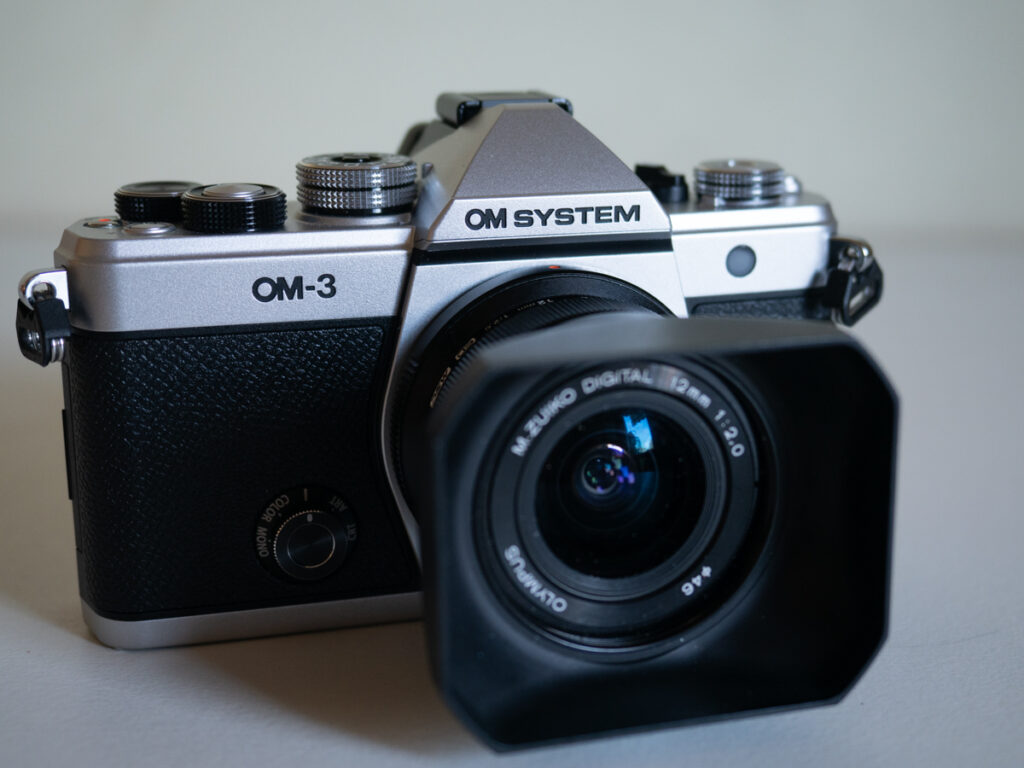
Understanding the “focus” of a specific tool, and even more so the design intentions of its creator, are important factors for a correct vision and understanding of an object that has never been seen, tried, or at least touched. Being knowledgeable in a certain field or topic is not sufficient to make concrete judgments or evaluations: one cannot know the behavior of a car before driving it on the road and in specific situations; you cannot know how it handles curves or how it stays on the road based solely on the technical specifications without personally checking the setup, any adjustments, etc. You can have an expectation, but you cannot build a too elaborate opinion or certainties upon it. This situation is exactly what has happened again with the launch of a new OM System product (which clearly creates a trend judging by the number of contents that appeared online on Day One): the uncontrolled leak of information, the expectations created based on fragmented and unchecked information have partly compromised the correct perception.
I find it useful, therefore, to return to delve deeper and expand on what has already been said in the article (here – only in Italian language), providing a new perspective on the product and a broader key to understanding, not limited to just personal usage impressions. In the first article, I talked about the spontaneous use I made once I “grasped” the new OM-3 and therefore the feeling of enjoyment I experienced, using it to enhance my usual photographic approach to subjects of interest; the aspect of the camera completely captured my attention and intention of use, making me grasp the potential of the product only within my normal area of use. This time, in light of an even more extended usage experience and a deeper understanding of the product, I will try to illustrate, in a more detached manner, why this is a camera that has a “tuning” completely different from the other OM Systems we already know and why it should therefore be given significant consideration not only by fans of the brand and the system but also by many other types of customers and new users.
The official lunch trailer by OMDS for OM-3
The focus of this article will be precisely to convey this concept of “tuning.” Behind this idea lies OM System’s choice to use its best hardware to create a product with a character and purpose of use that is completely different. The OM-3 is not a camera competing with those already in the lineup but a complementary product for some, and at the same time a new and powerful creative tool for many new users who are just now approaching the world of imaging.
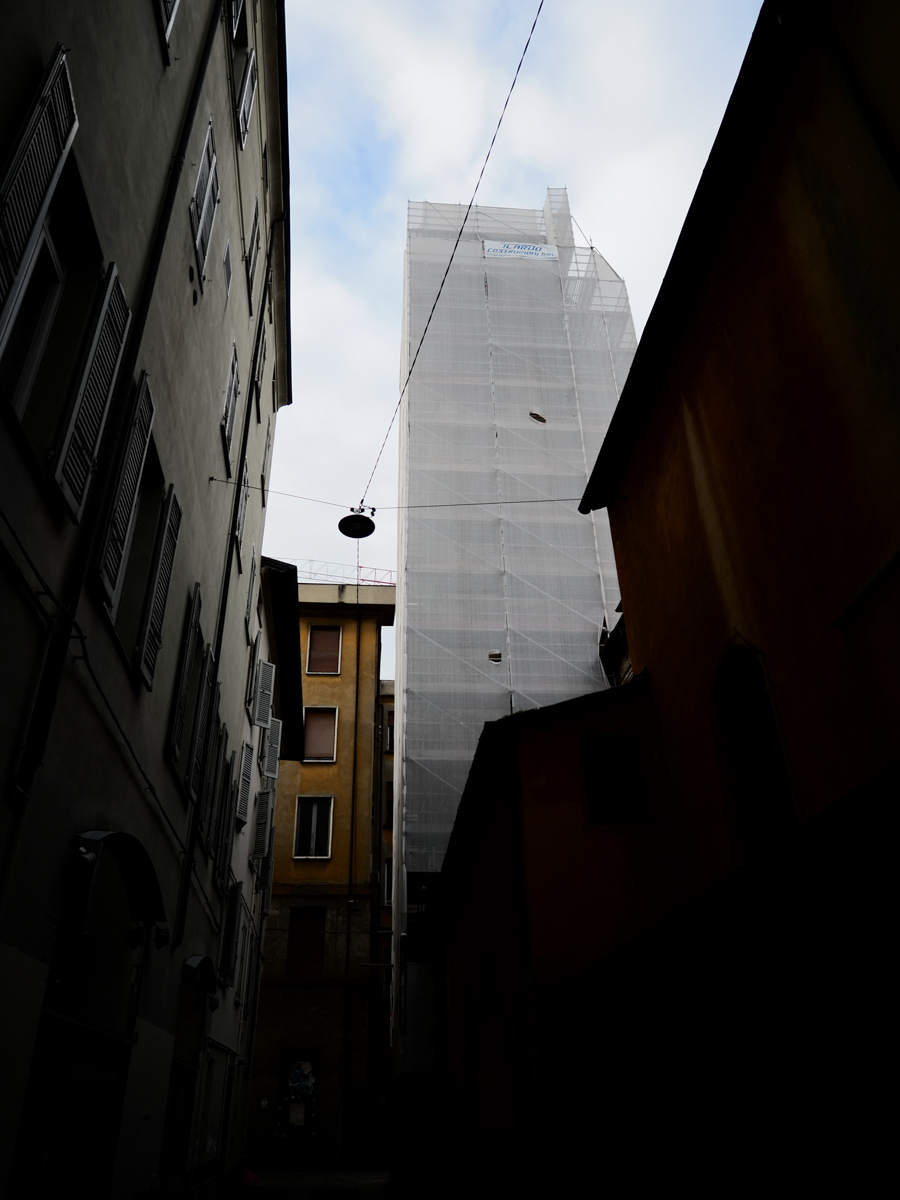
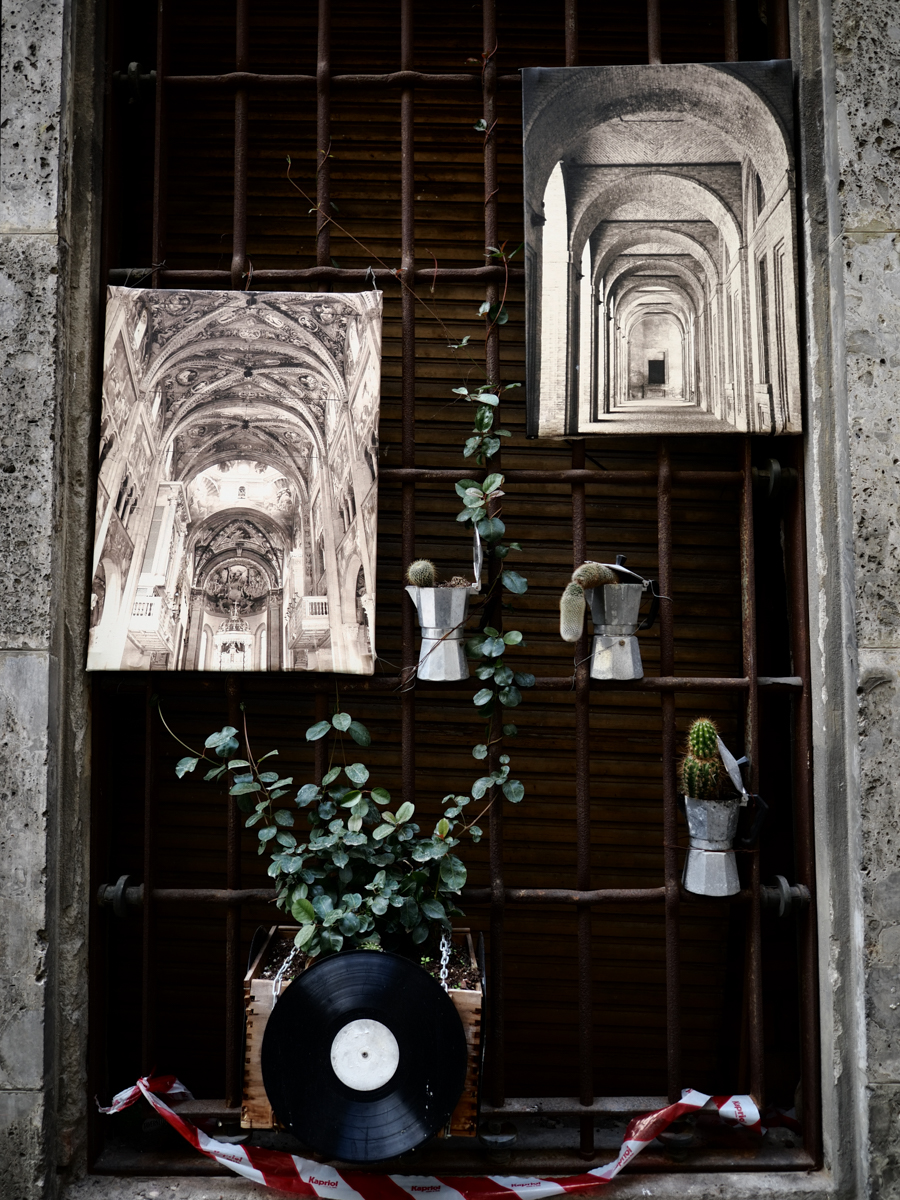

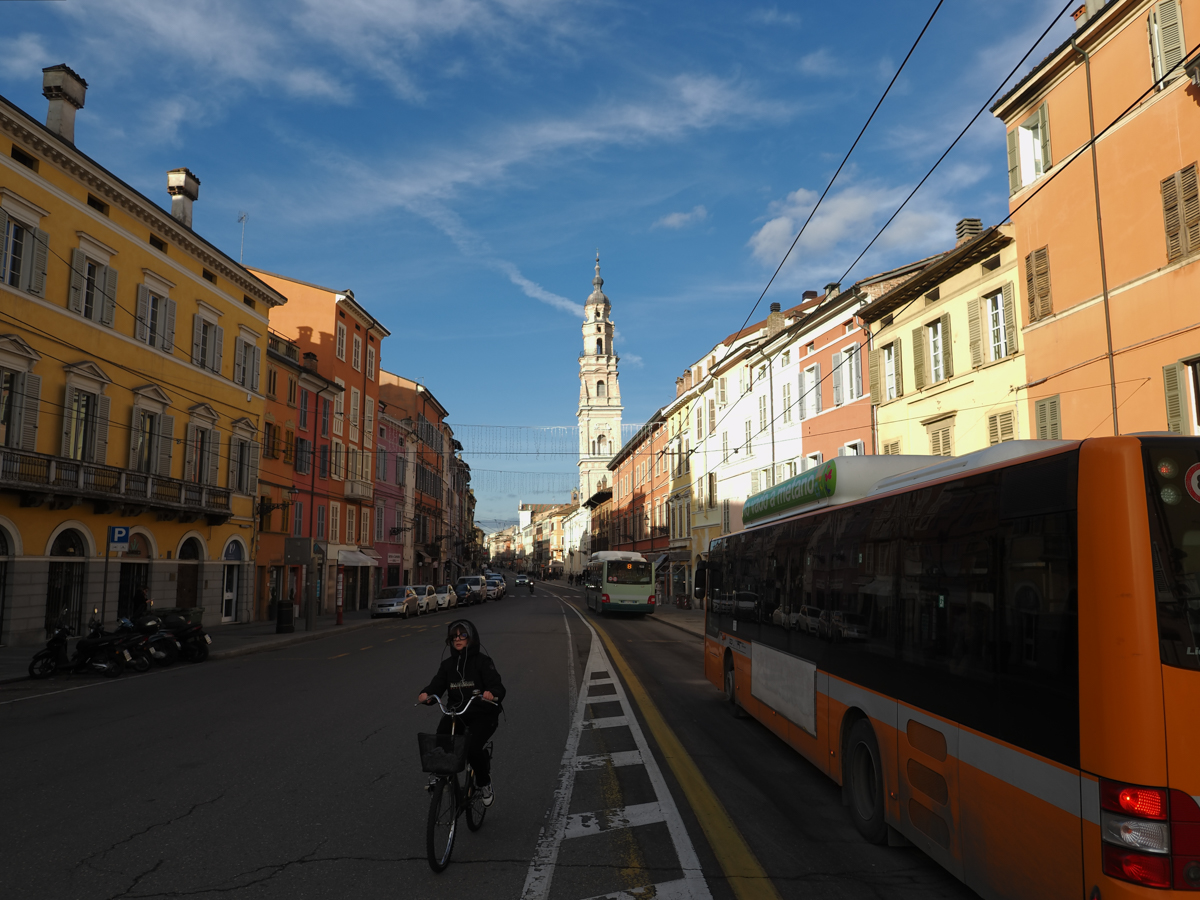





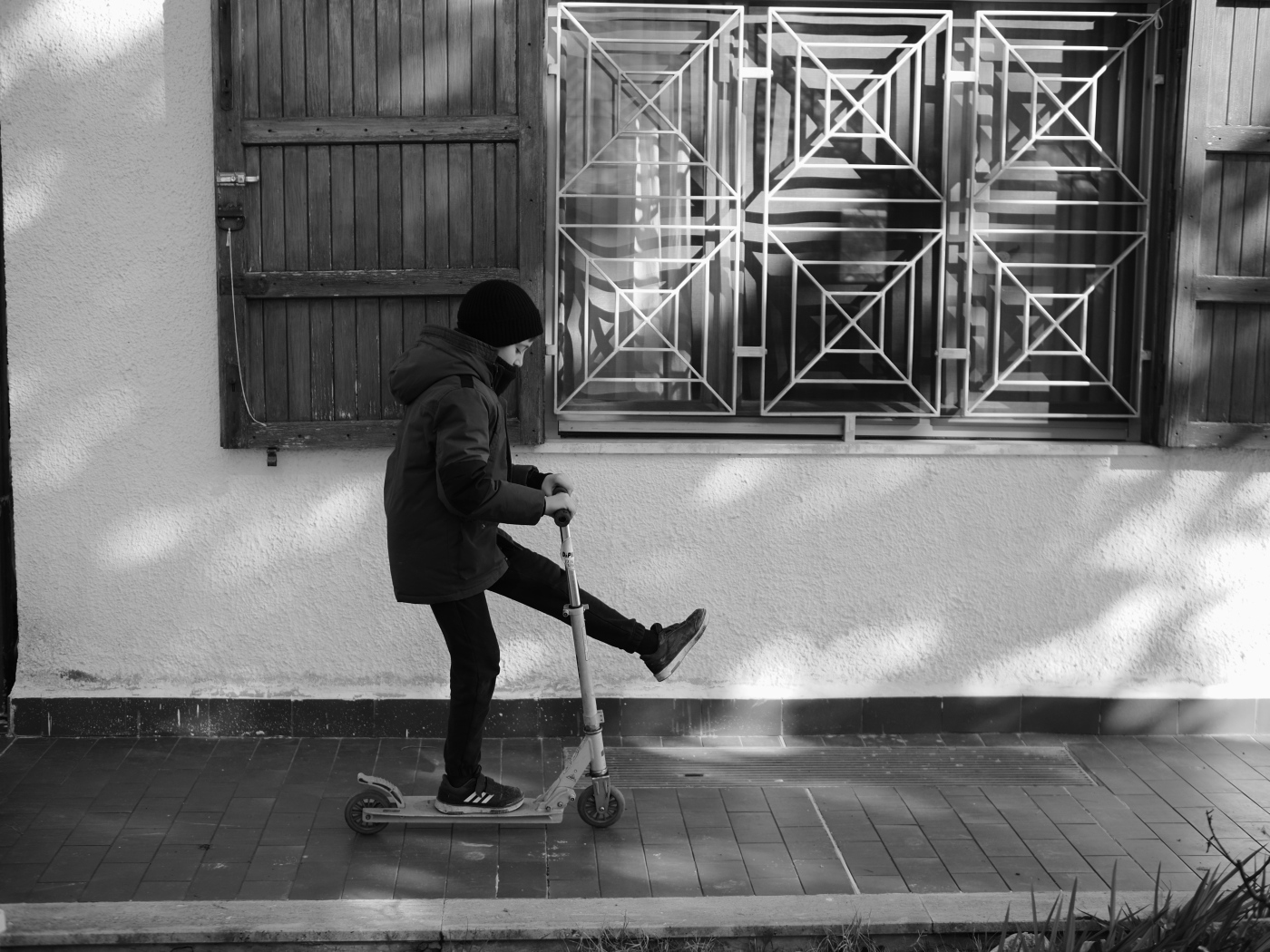



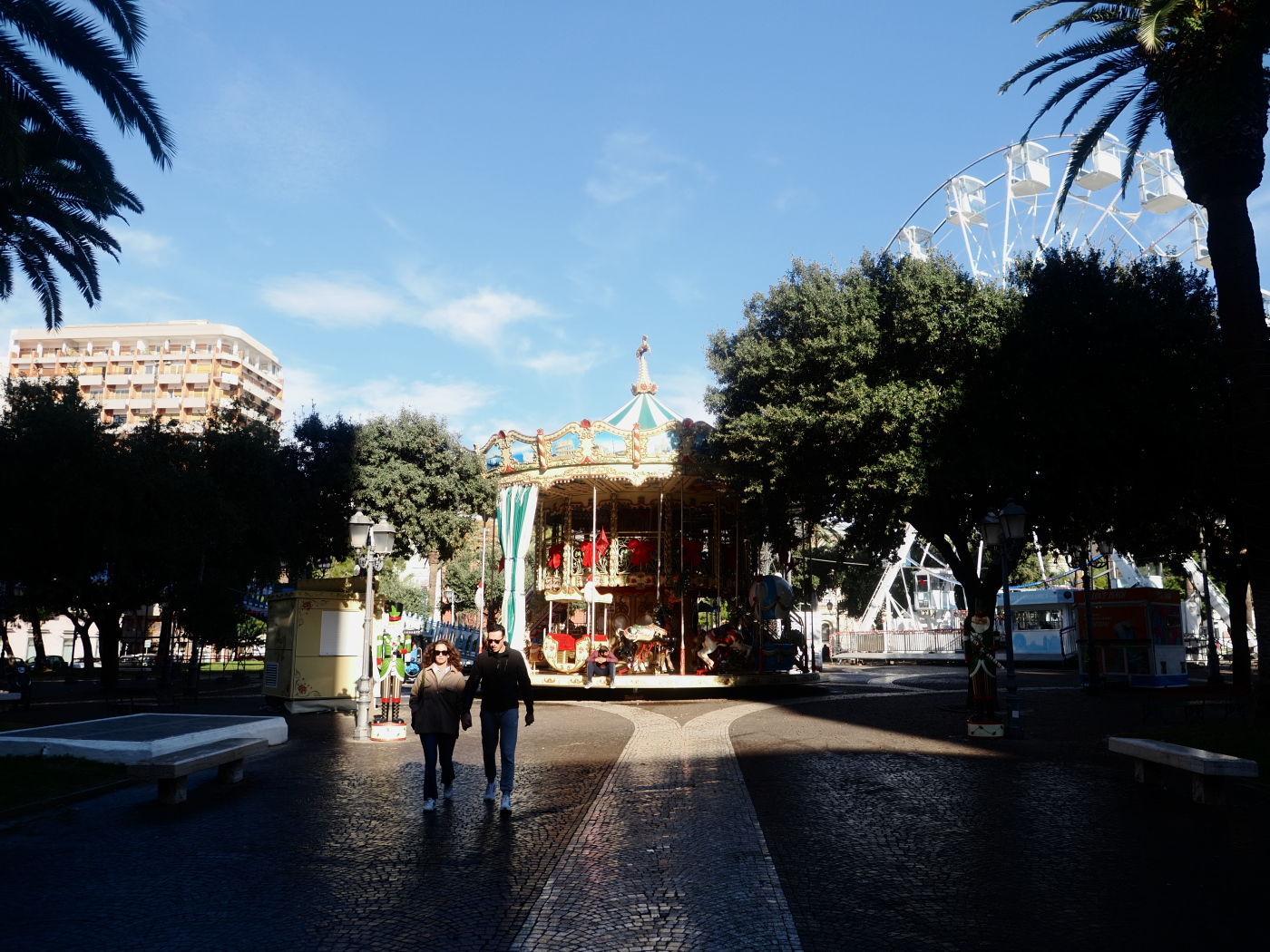
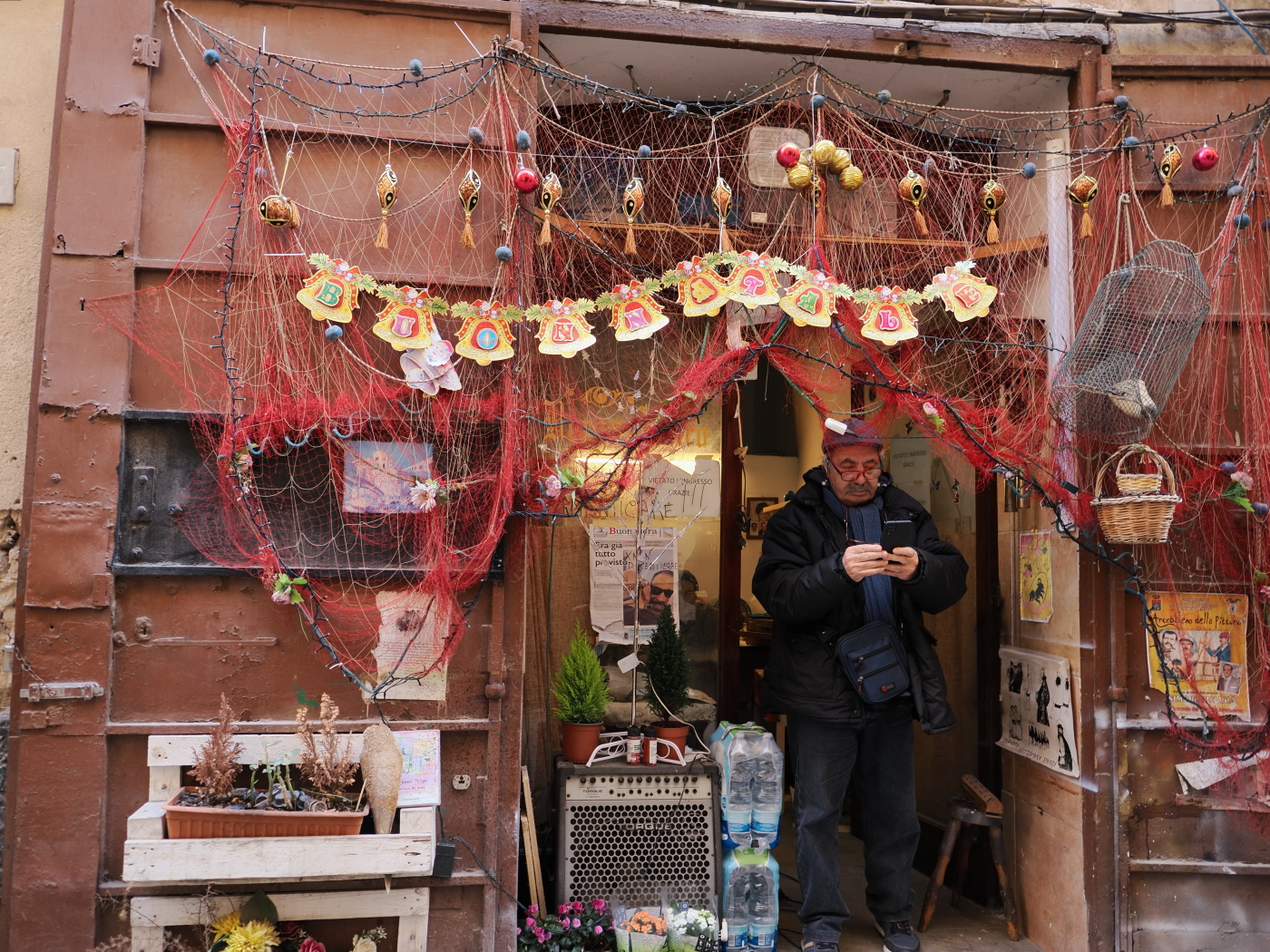

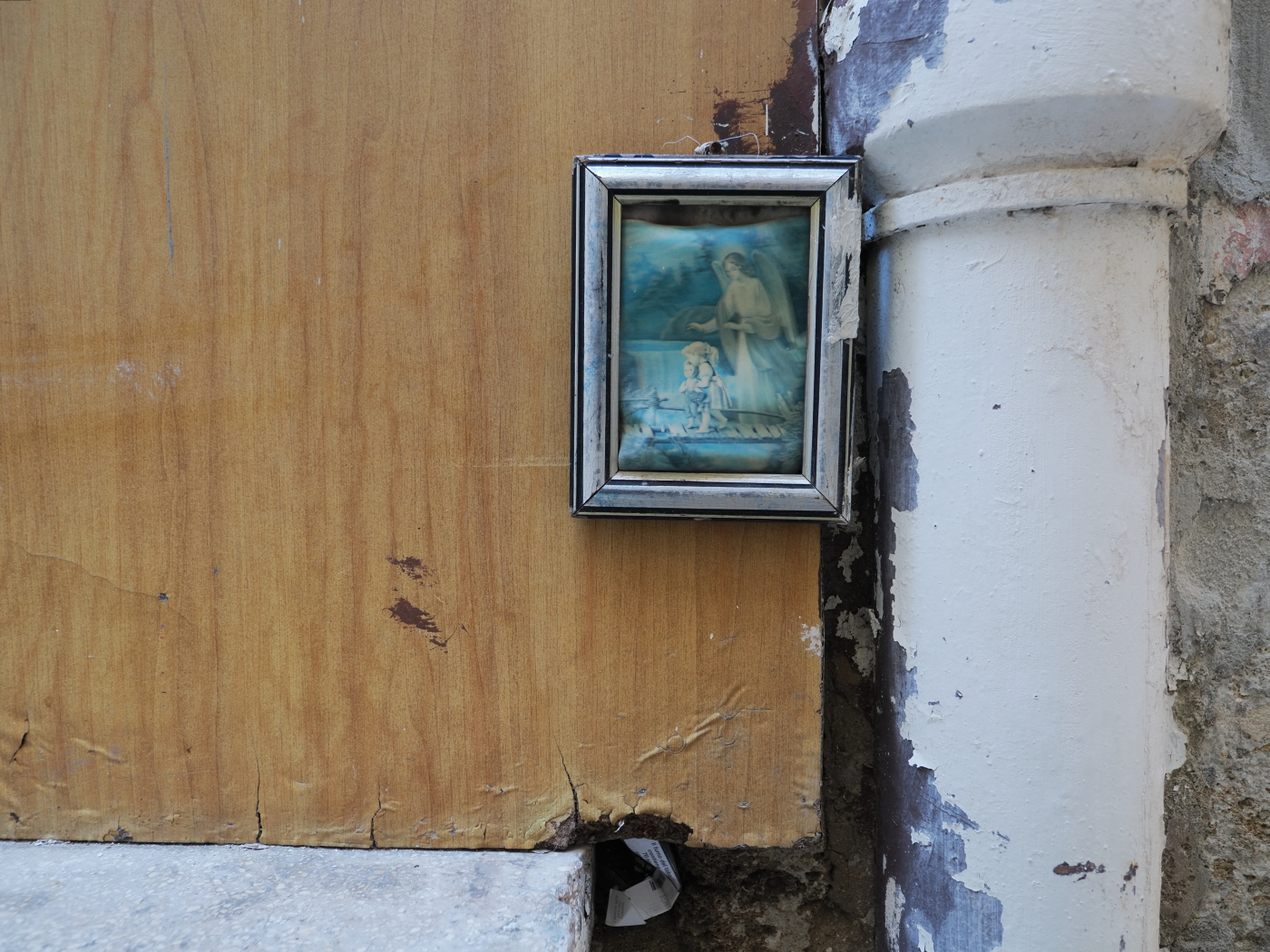
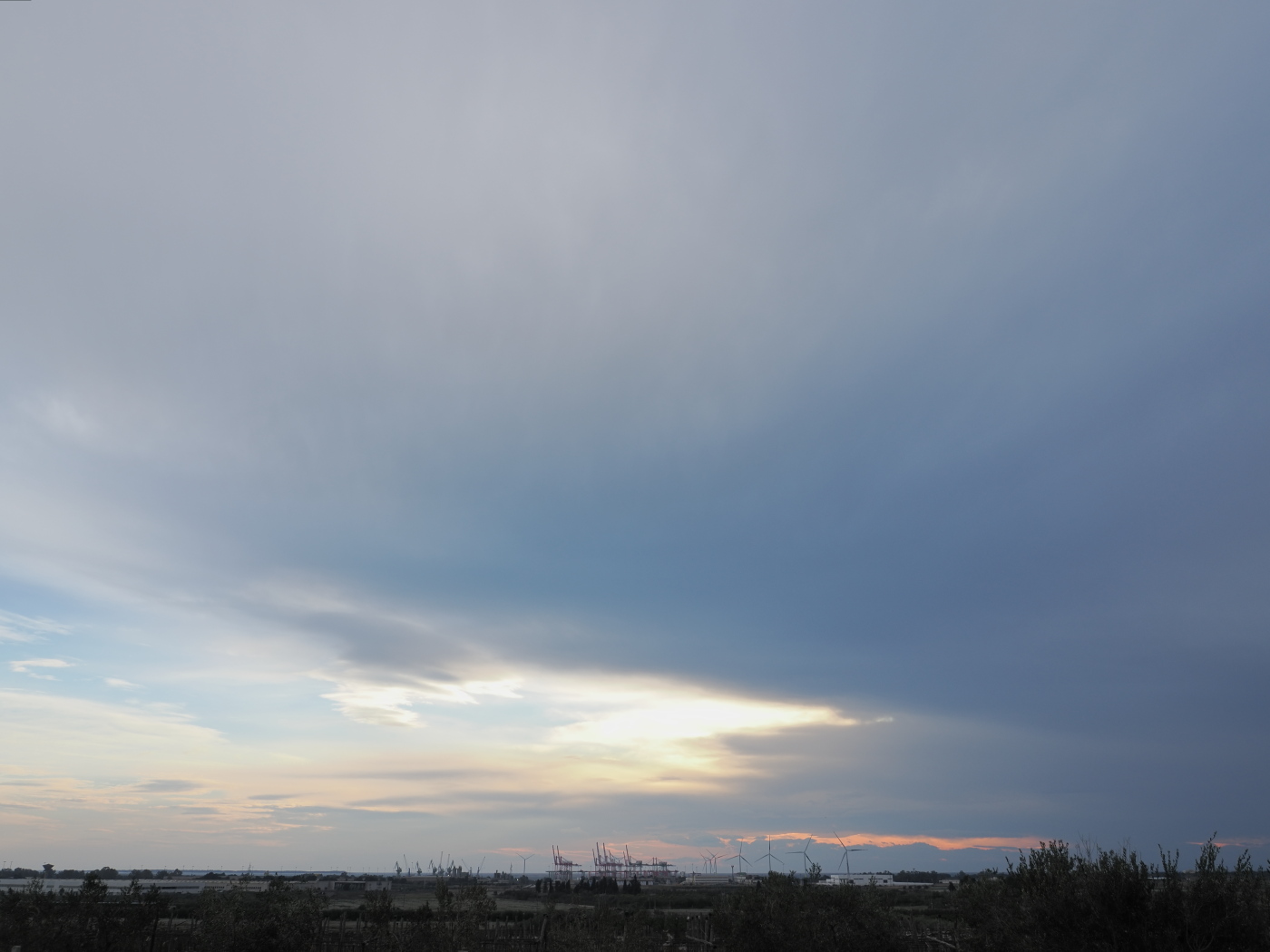
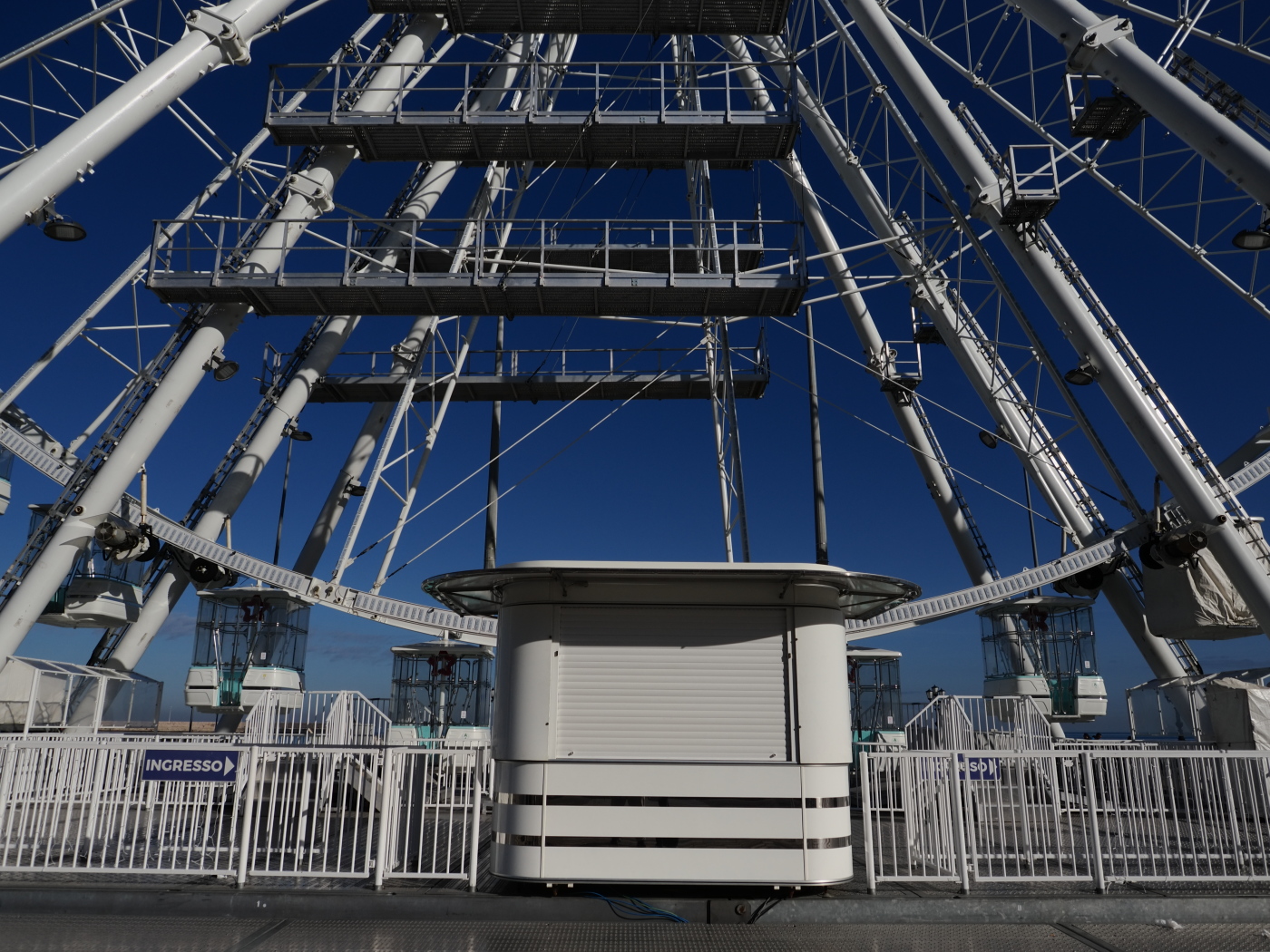

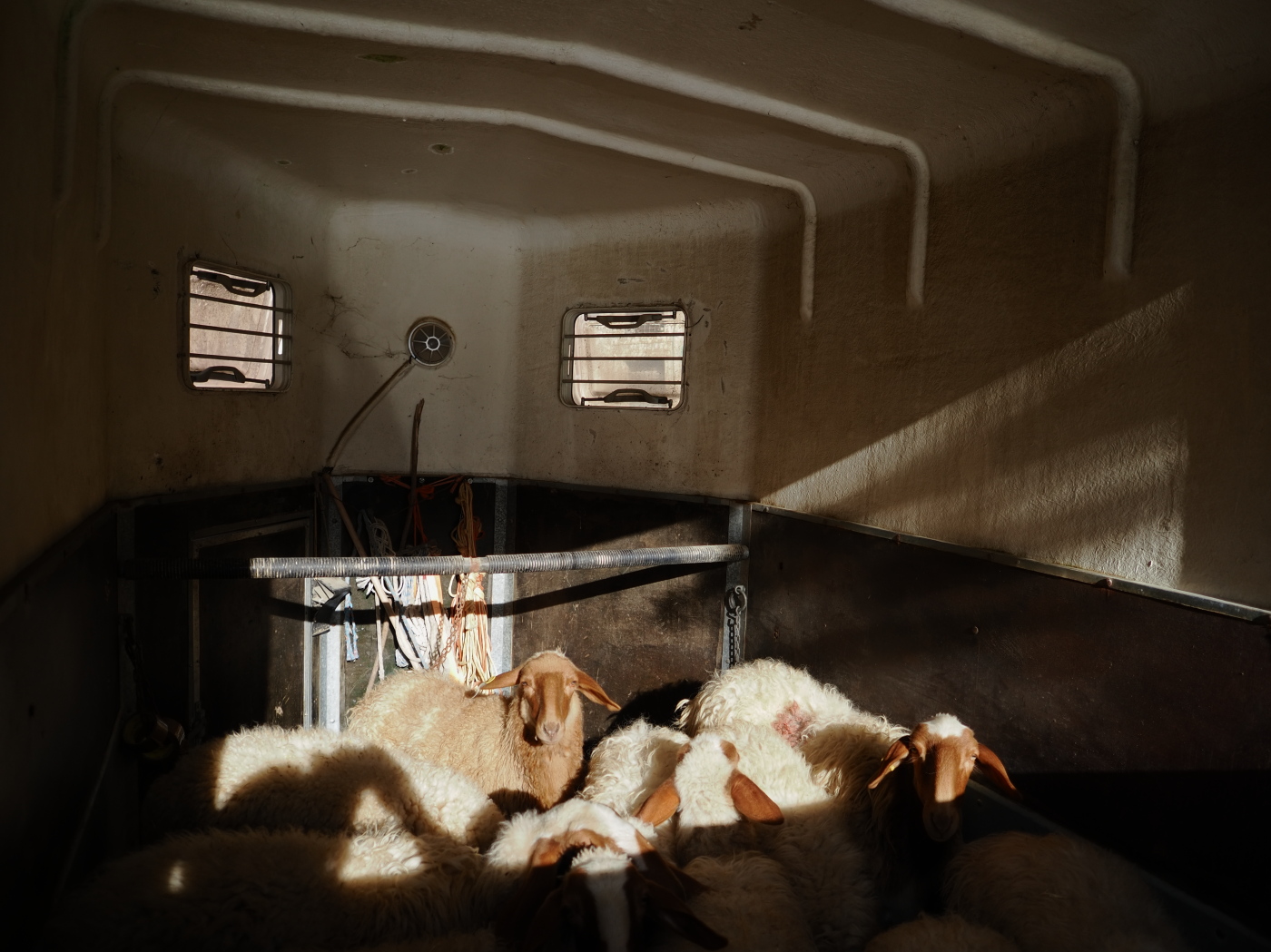
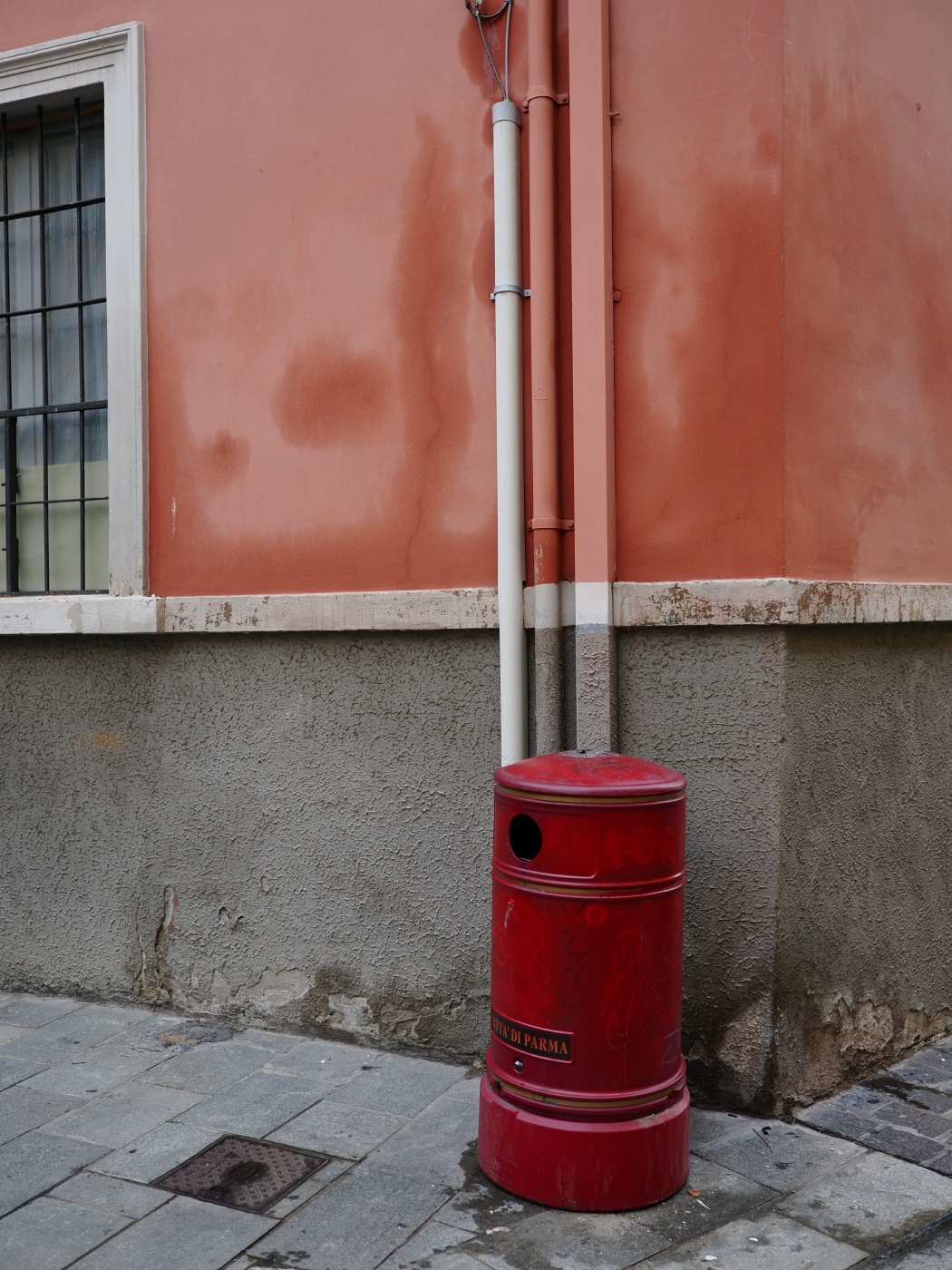

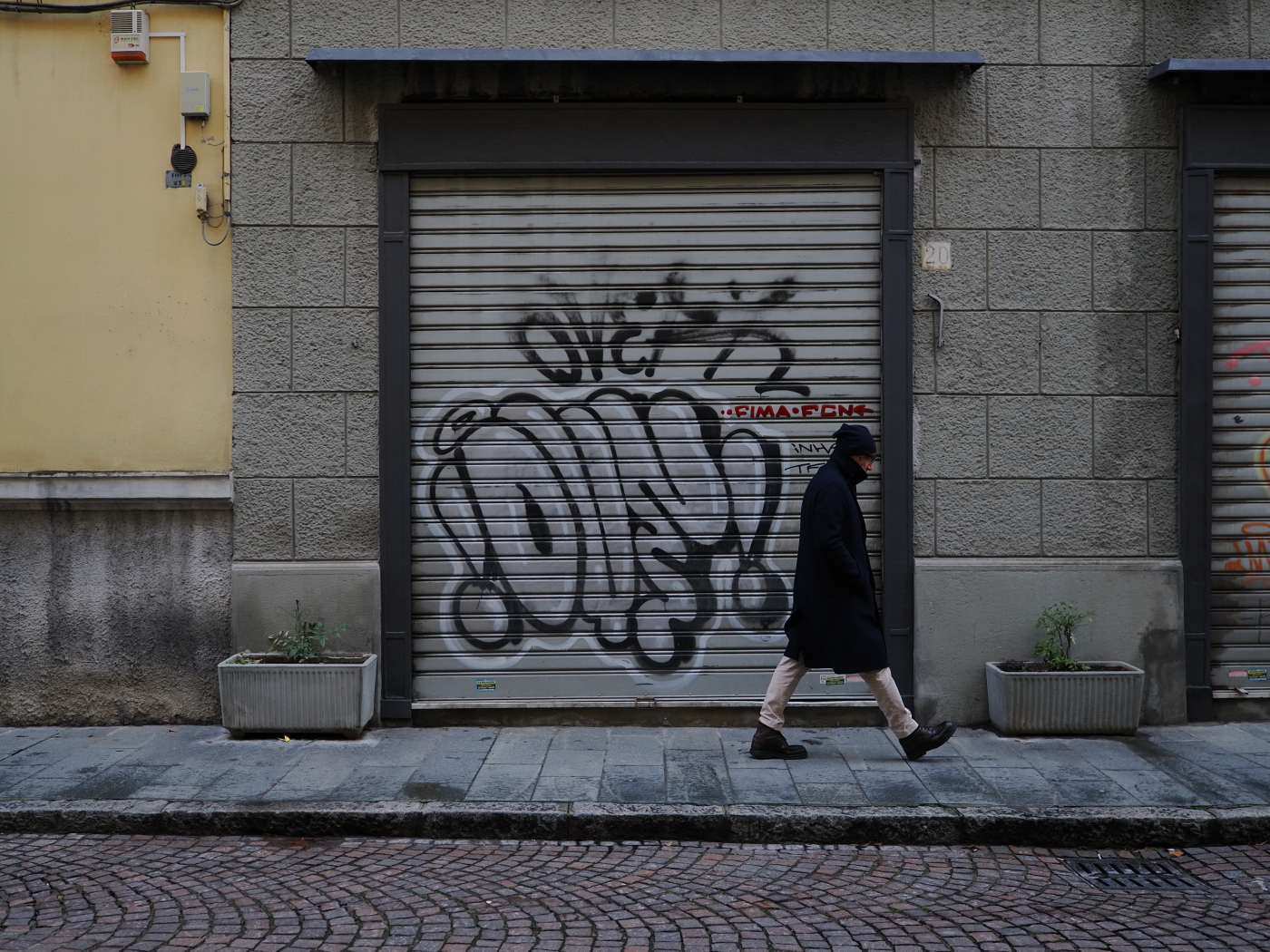
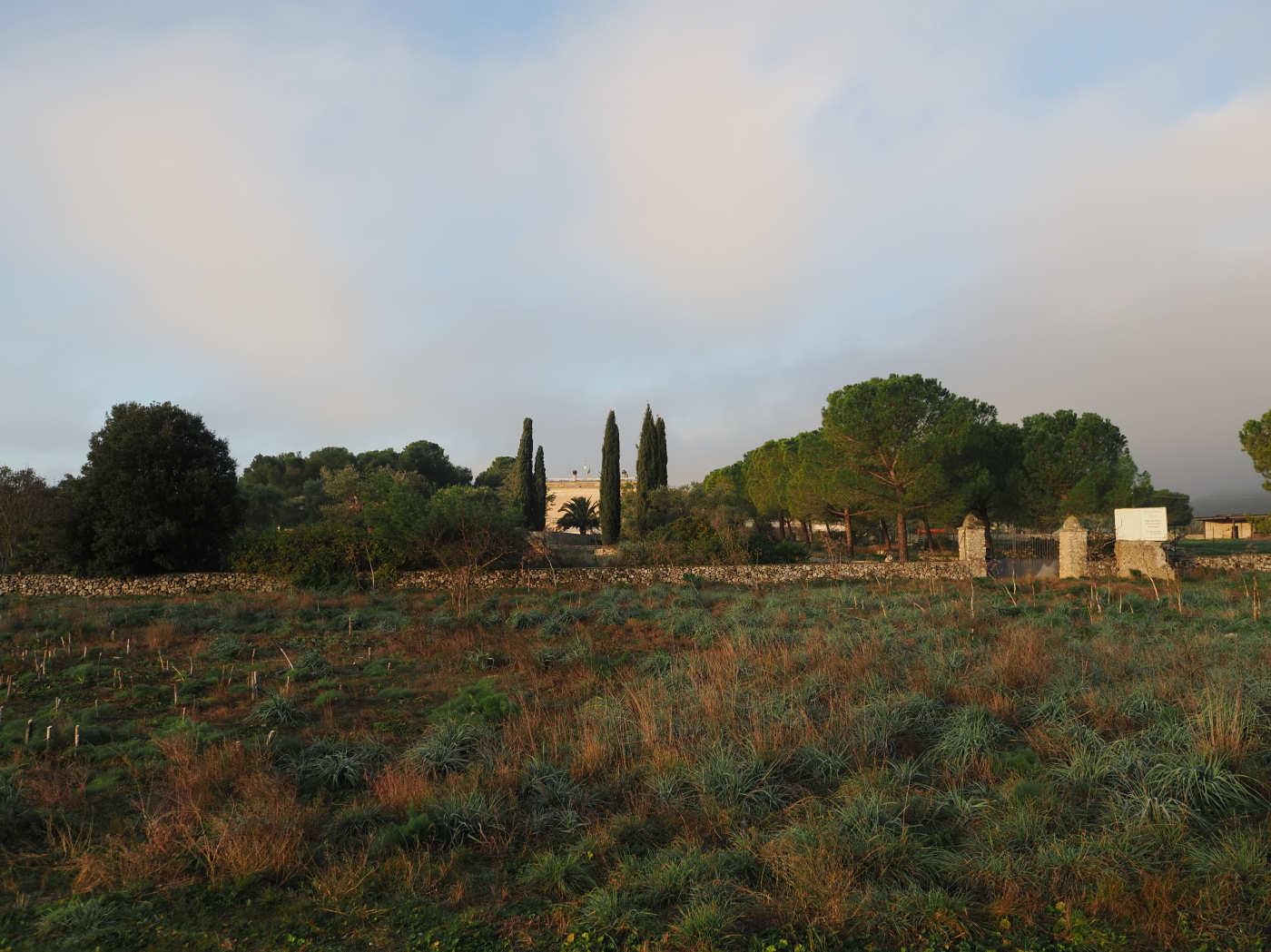
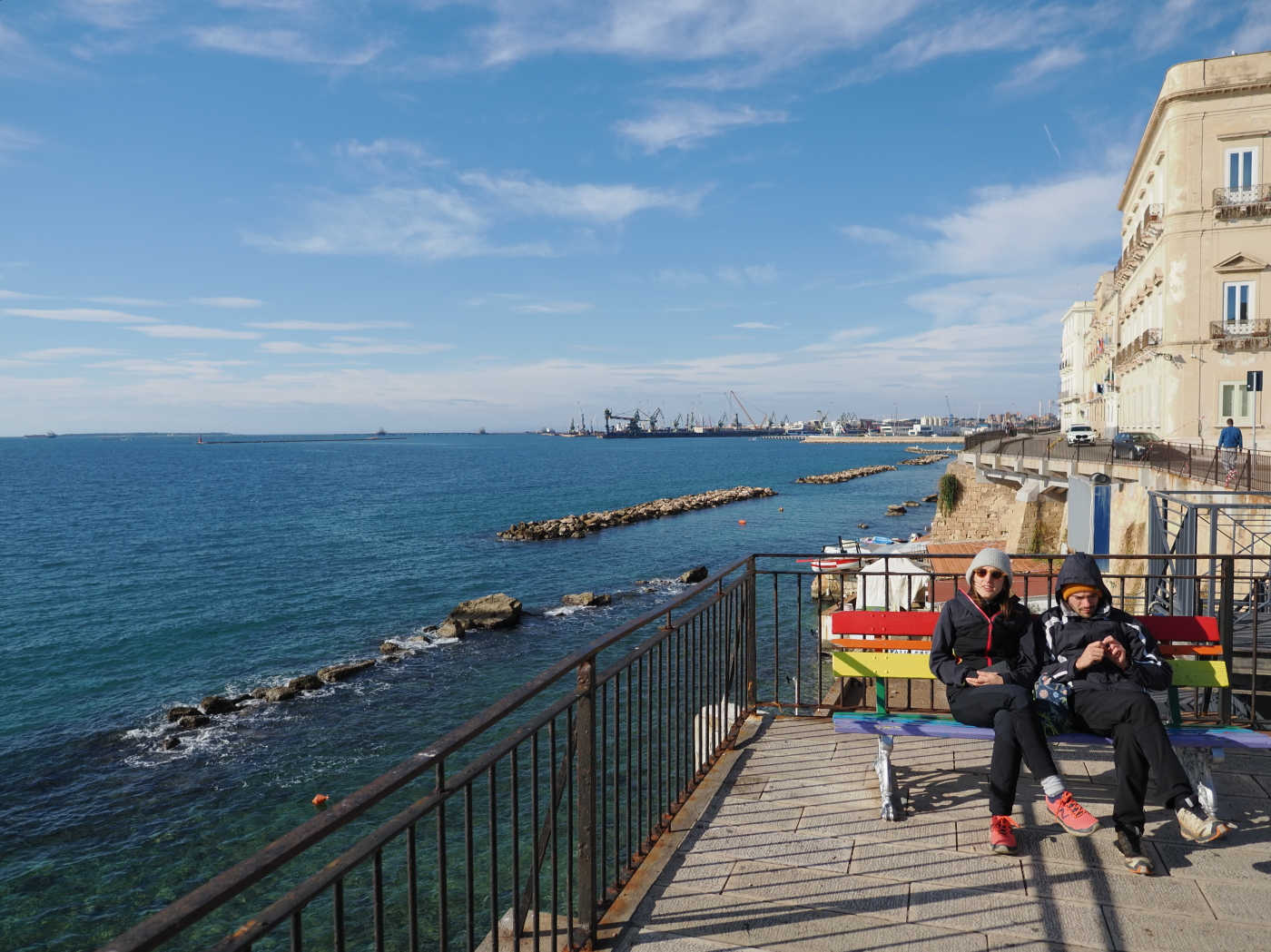
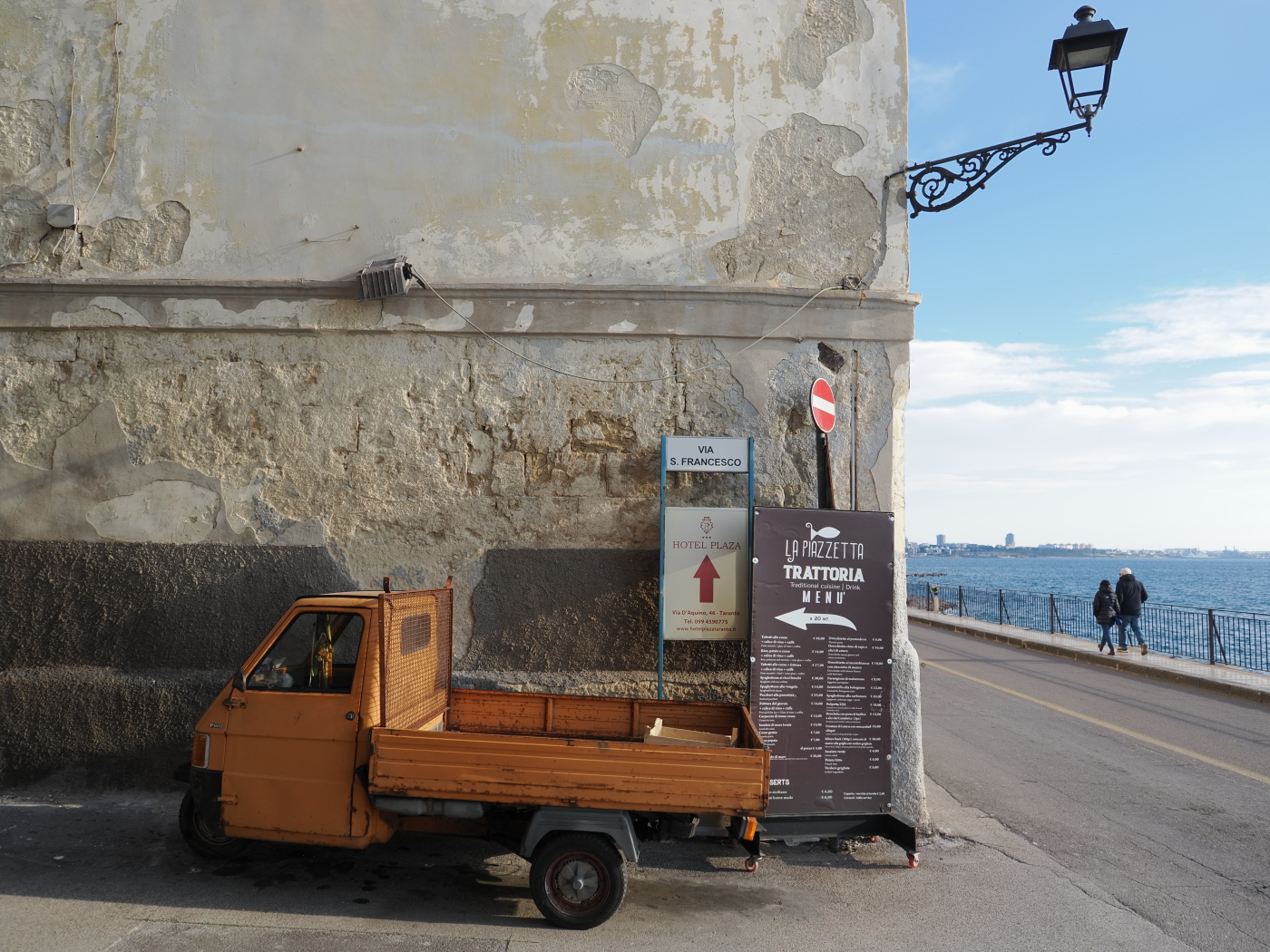

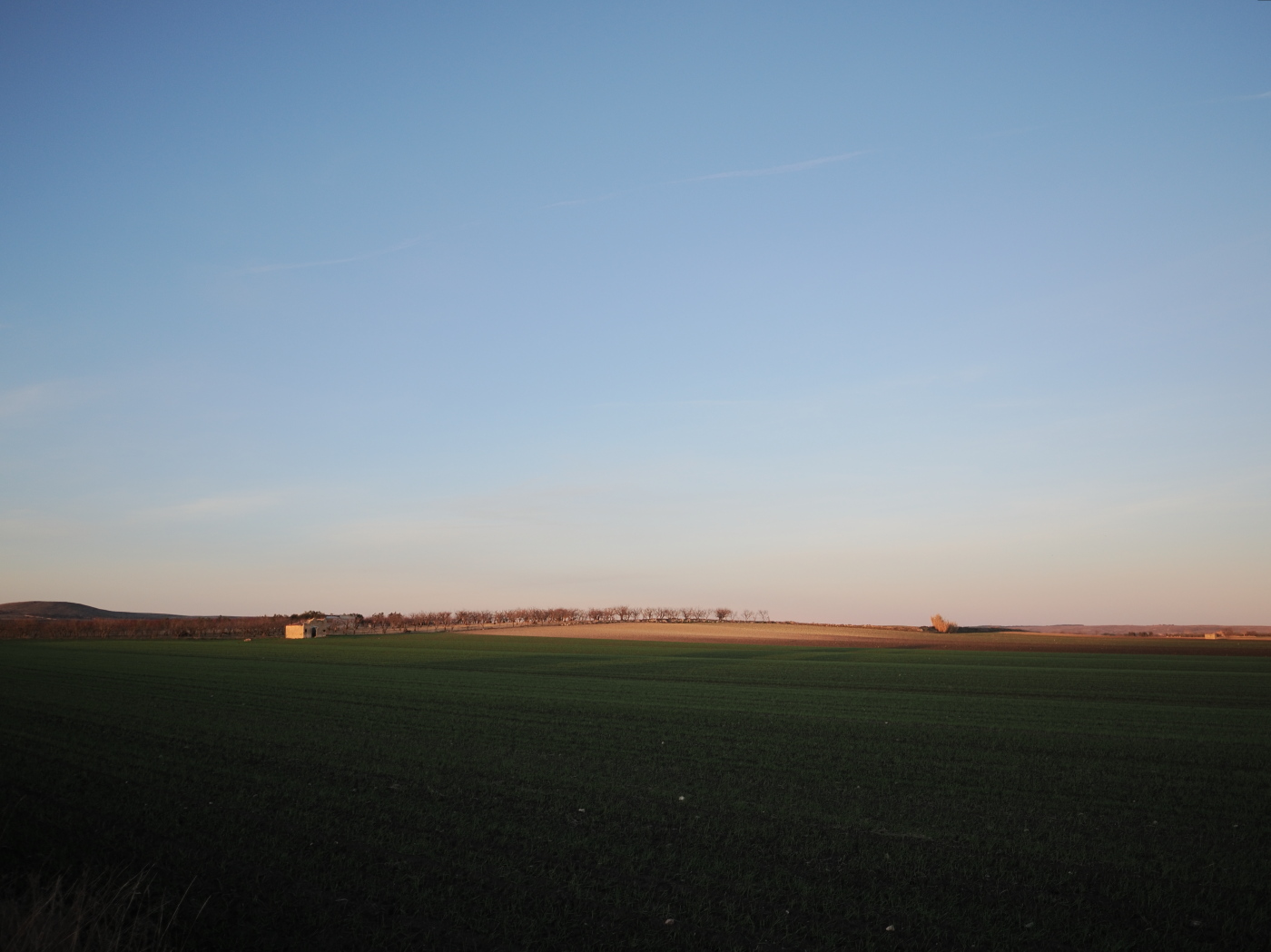
A gallery by Ugo Baldassarre with the new OM-3 – Street, Reportage and Family contents
If the OM1 II is the reference product for the demanding nature photographer in terms of quality and performance and the OM-5 is the camera for those who prioritize portability and lightness in similar situations, then we must envision the OM-3 as the product that represents the union of these two specific needs but oriented towards a different environment, namely that of creativity. Using the irresistible charm of classic lines and high-quality materials, and clearly leveraging the strong appeal that vintage style currently exerts, the OM-3 does not hide its desire to be a beautiful and showy product but also simultaneously utilizes this trendy characteristic to open up to a new market, to a much larger number of users who want to create images and videos freely, directly in-camera, without spending too much time in front of a PC.
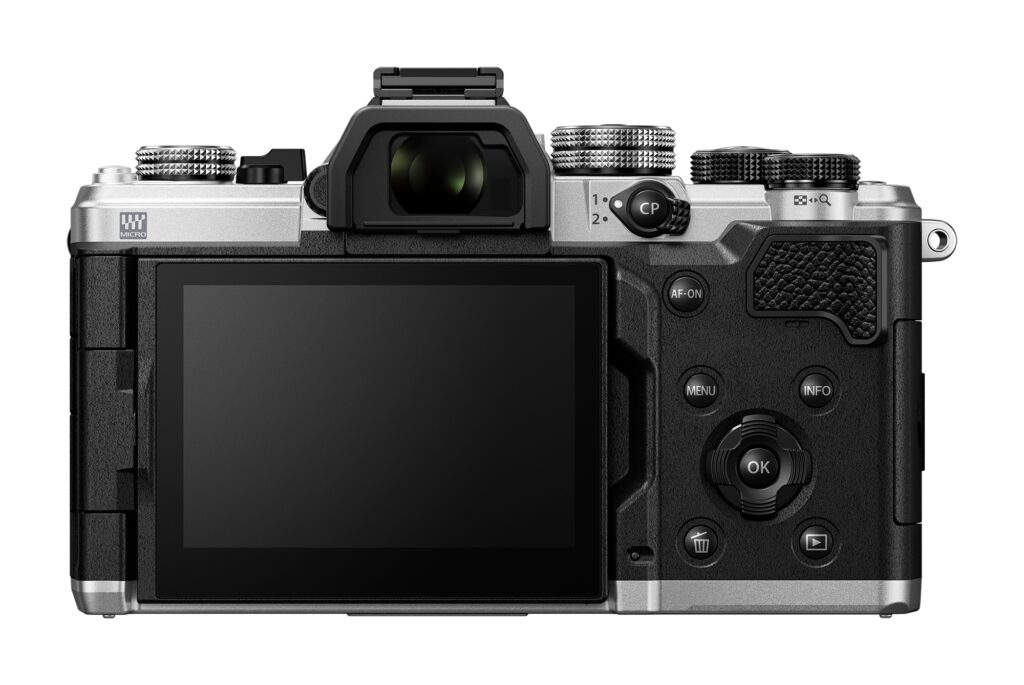
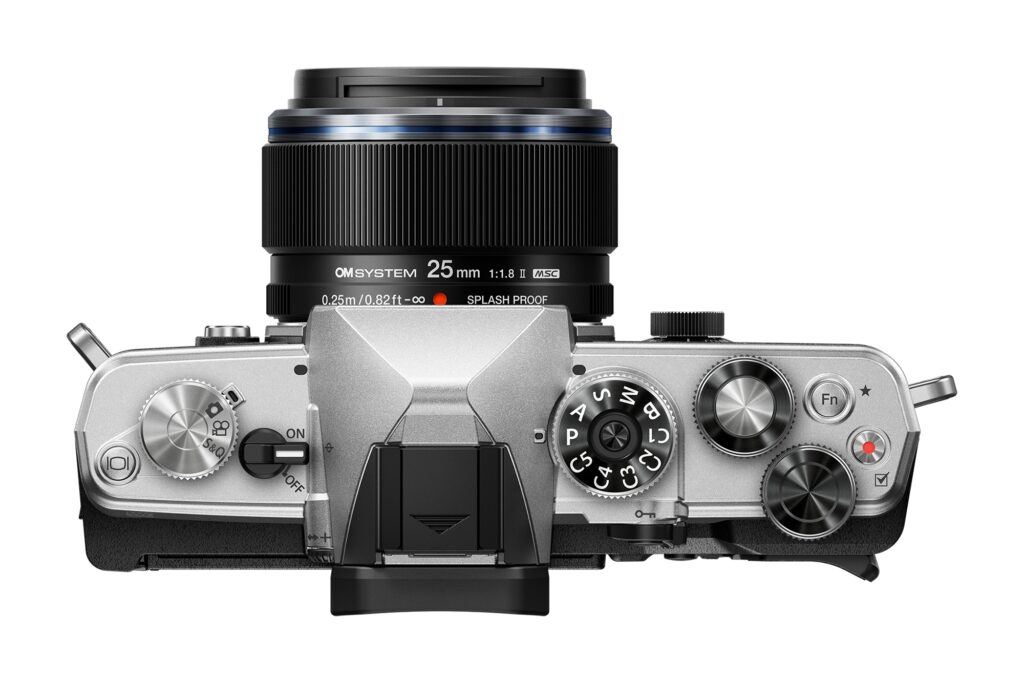
So, while for many (like me) the vintage aspect has been the key to obtaining a different approach to the environment and people, for others it is simply the point of contact with a product rich in ideas and functionalities: it is in this sense that the desire to reach a new audience and a new user base can be understood.
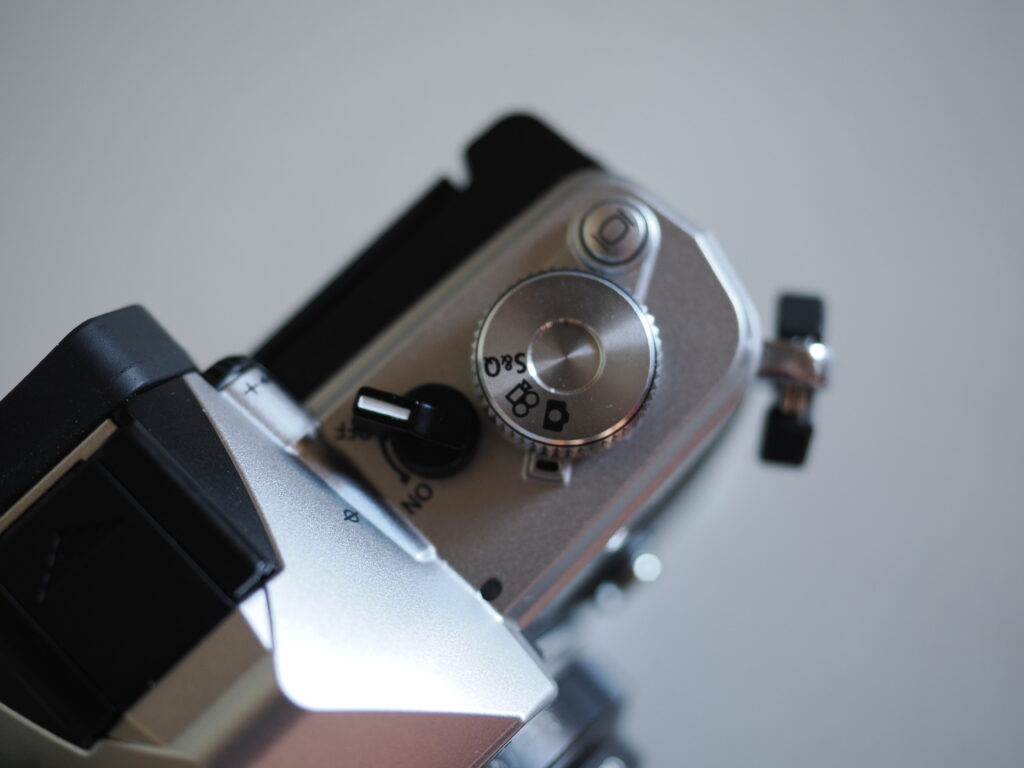
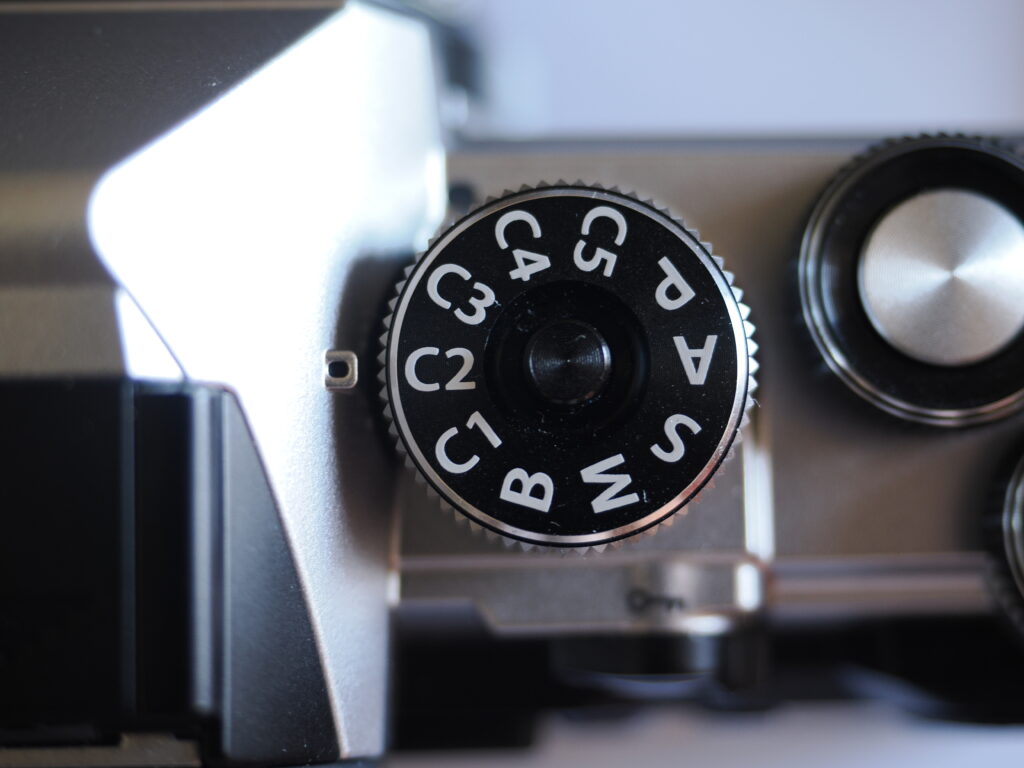
Those who decide to use this camera in a modern and dynamic way will reap all the benefits from this product, much more than those who choose to use it more classically (which is legitimate but more limiting); those who set the various color and black-and-white profiles to their specific taste will achieve exactly the photos they have in mind and will have more fun; those who understand that the combined use of the three shooting modes (Photo/Video/S&Q with the 5 Custom (C1-C2…), now independent from the rest of the mode dial settings, will create an impressive combination of customizable modes for both photos and videos, allowing them to use this ultra-modern tool with absolute freedom.

Viewing the overall layout of the camera with this new awareness makes everything clearer, and once the right time is dedicated to personalizing it, it becomes evident how many considerations no longer hold weight. The idea is that of a product where it is no longer necessary to constantly access the menu: all computational functions are available on the new CP button (direct access to Hi Res mode and then all the others by scrolling with the dial); the main color profiles will be at hand on the Creative dial, while the Custom settings will be dedicated to various combined configurations (5 for photos, 5 for videos, and another 5 for Slow & Quick motion; the AF-C/S mode can have the ½ lever dedicated, etc.… the creative possibilities are therefore numerous and, above all, in this way, the concept of “fluidity of use” takes shape, which should appeal to the modern image creator.

It is in this manner that one understands what the OM-3 represents for the user who approaches it with a bit of imagination and a desire to “play” with images.
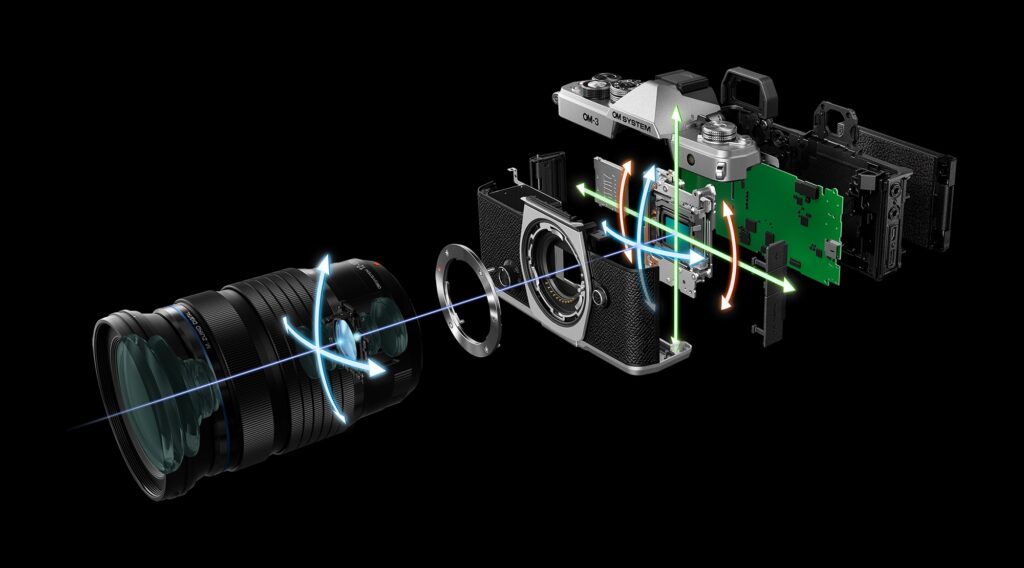
The choice of such high-performance hardware for the OM-3 arises from this need: to make the entire experience fast, satisfying, and uncompromising. OM System has integrated the best of its technology to avoid any gaps in usage, making its camera incredibly complete and enjoyable. Thus, the OM-3 is not a camera competing with the flagship model, but a tool that shares only the “engine” with it, but with completely different creative and usage purposes.
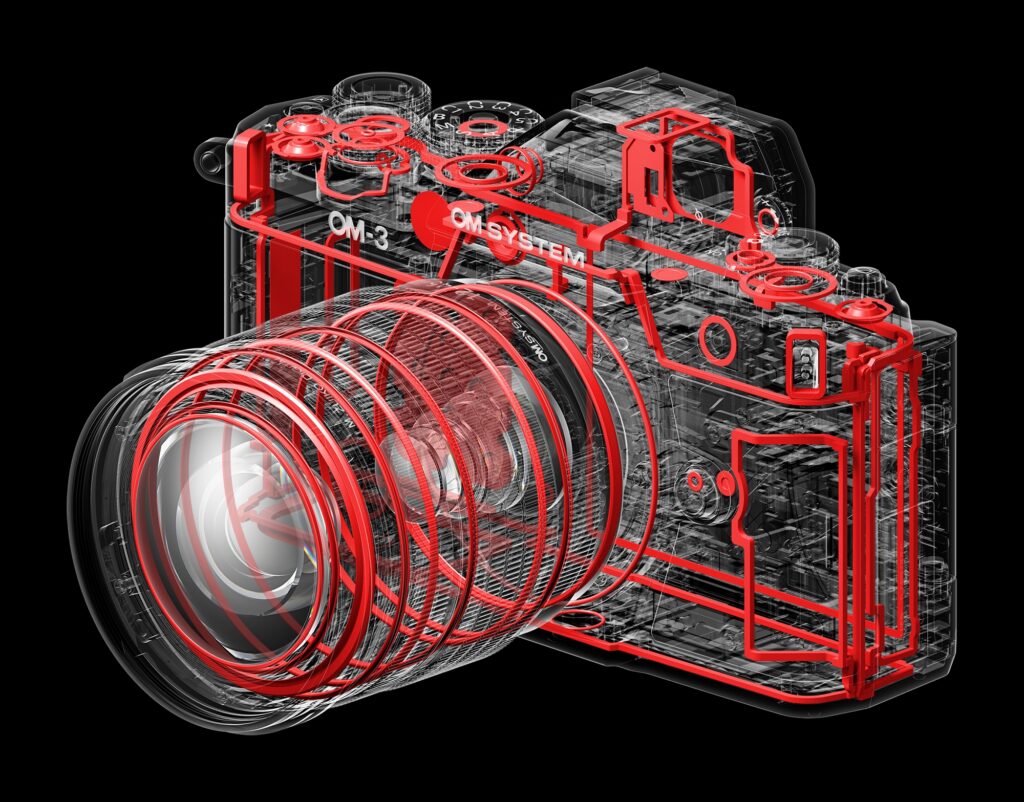
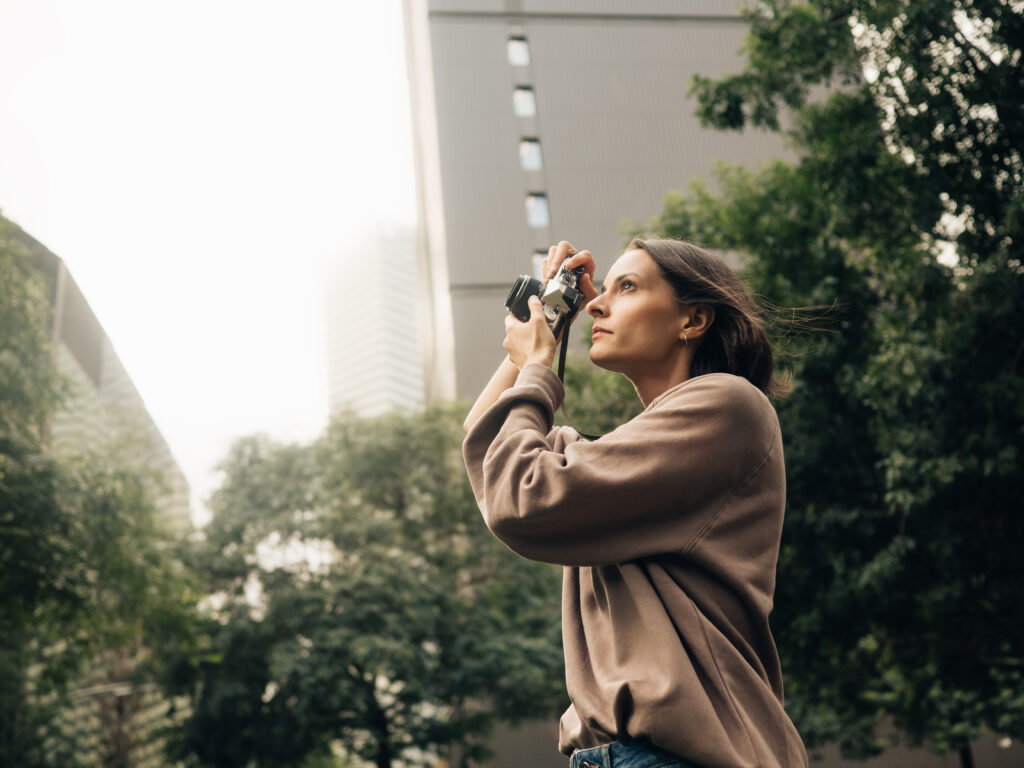
The OM-3 is designed to tell any kind of story one might want to share about their daily life, to give body to one’s vision, allowing the user to find their mark, their “stamp” directly at the moment of shooting. Whether it’s street photography, urban exploration, content for social media, travel photos or videos, or simple family memories, it is a photographic tool that, paradoxically, finds its ideal audience among non-photographers. The OM-3 finds fertile ground among those who want to create and share images, memories, and visual notes of their lives in a simple and carefree way.
Yes, I’ll say it clearly: if you want to use the OM-3 just to shoot in RAW and then edit the file, you are completely misunderstanding the approach (and probably the product) and will completely underutilize the work done by OM System. I recommend doing a complete reset of what you have absorbed so far and approaching the product with genuine curiosity in order to put yourself in the right perspective to enjoy one of the most enjoyable objects you can experience in a market that now only cares about speed, efficiency, and performance. Just for the intent, the new OM System deserves attention.
For more specific information on the product and all the complete technical characteristics, consult the official OM System website here
Credits: all images and contents are the property of their legitimate owners and used with their permission. The OM System material was made available by Polyphoto SPA, exclusive Italian distributor of all OM System brand products.