
Original text and photos- Ugo Baldassarre
Since the digital photographic medium has entered by force in everyone’s life, the idea that cameras are built on the needs of photographers only, that is, those people interested only in photography as a point of arrival, has now taken root. But are we sure that this is the case?
The camera is a tool for producing photographs but it is certainly not just photographers who need this ability.
Without bothering content creators or other modern professionals who daily need to create images, just think of those who simply love to travel and want to create memories, fix emotions or simple moments with the necessary quality in order to then make good prints, photos. – books or simply quality documentation.
The camera has always played this role in supporting many professions and many needs. Why pretend they no longer exist? Why pay attention only to lines of thought that enhance the technological side of a product but not the practical one?
So why not talk about the feeling of using a camera? Or the fun of framing with a certain perspective?


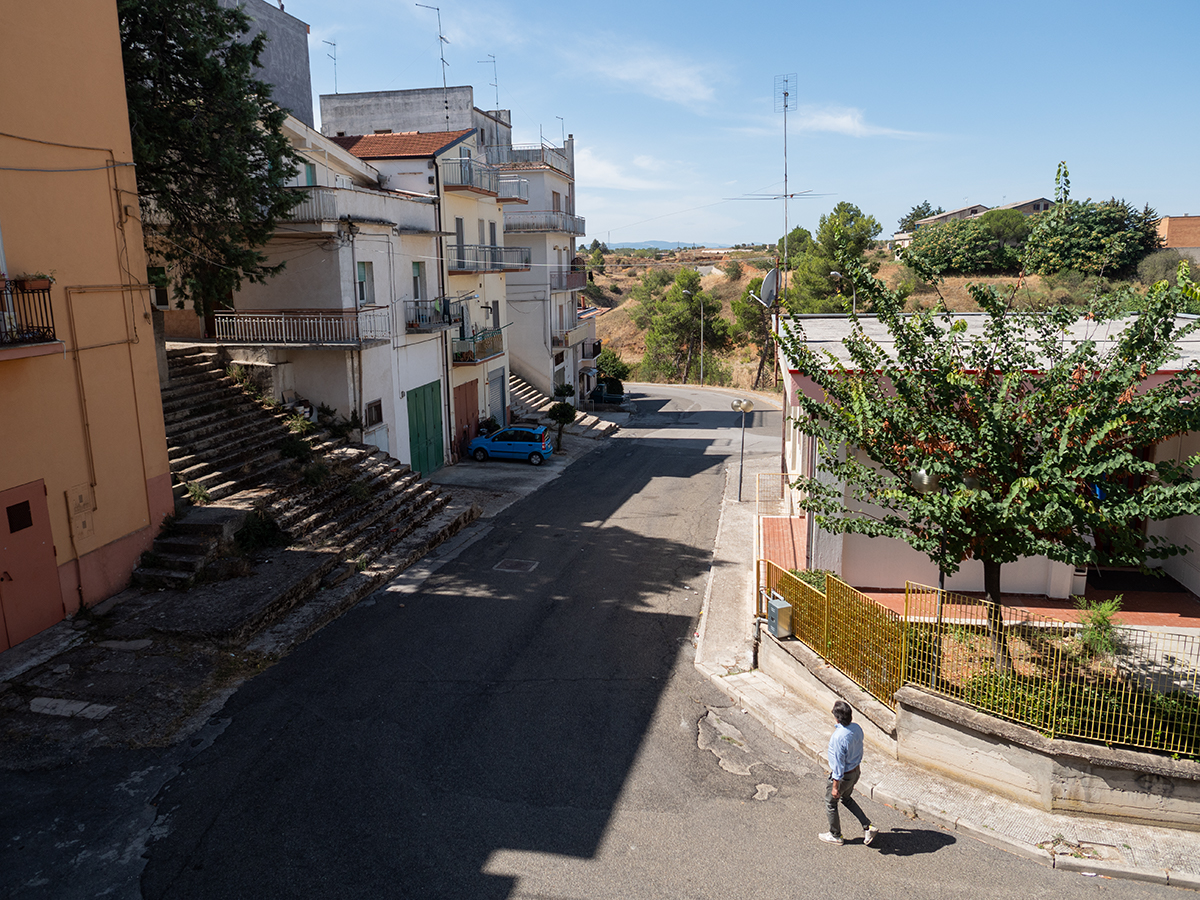
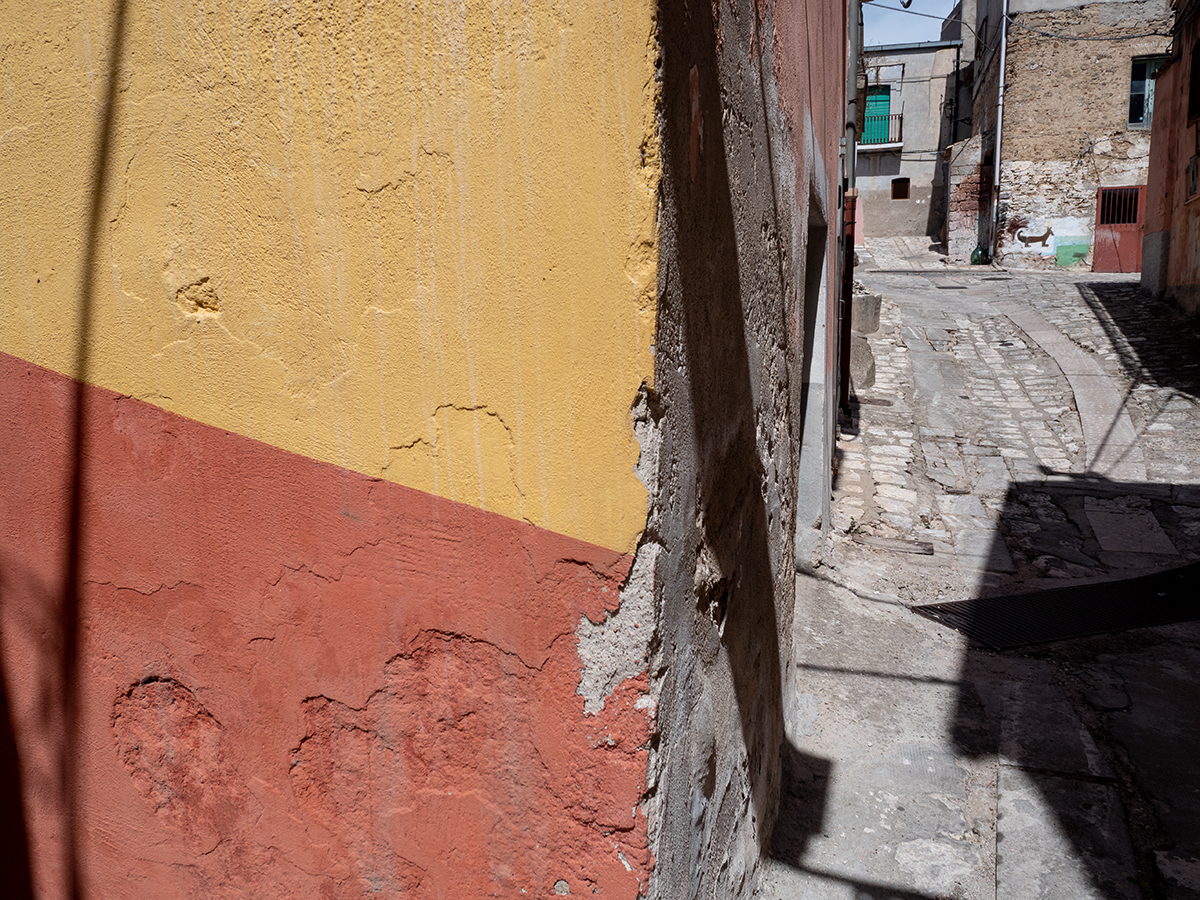

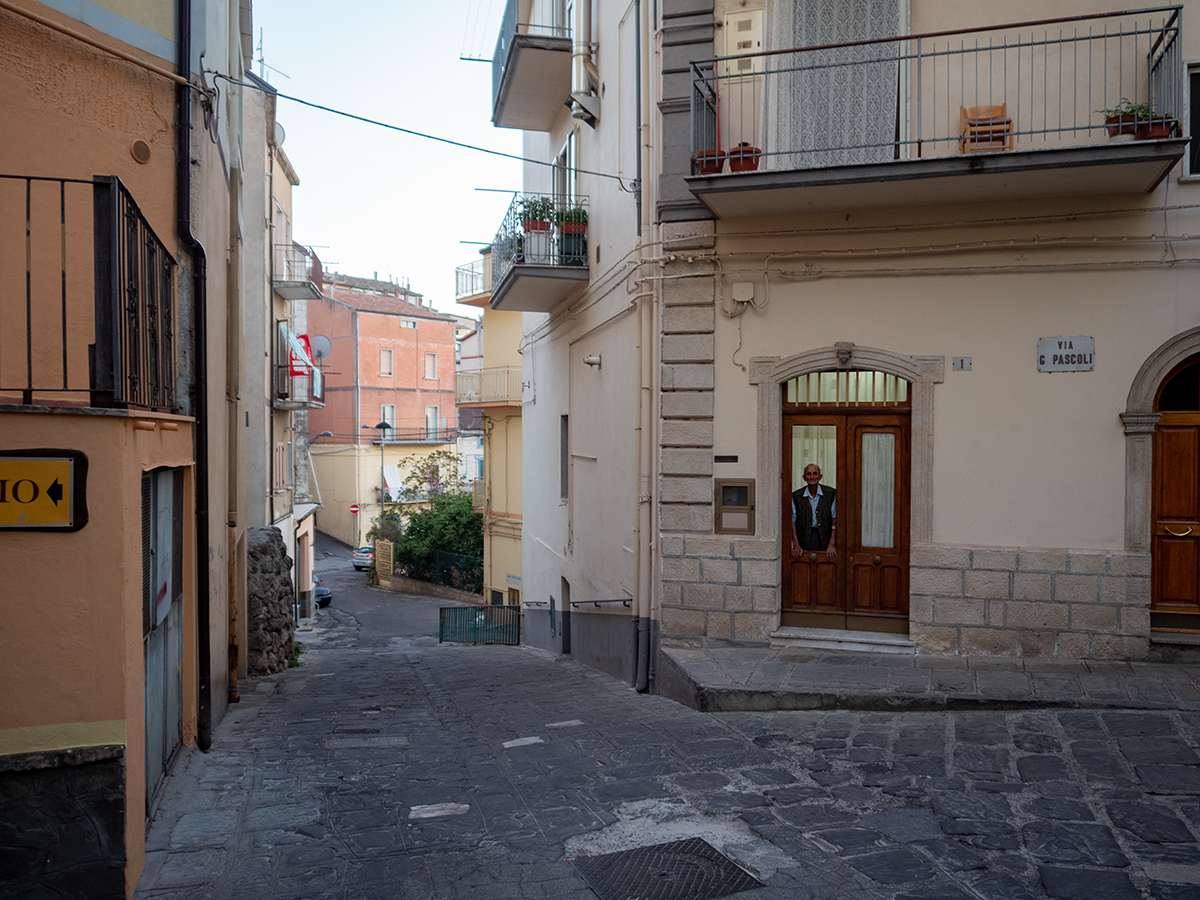

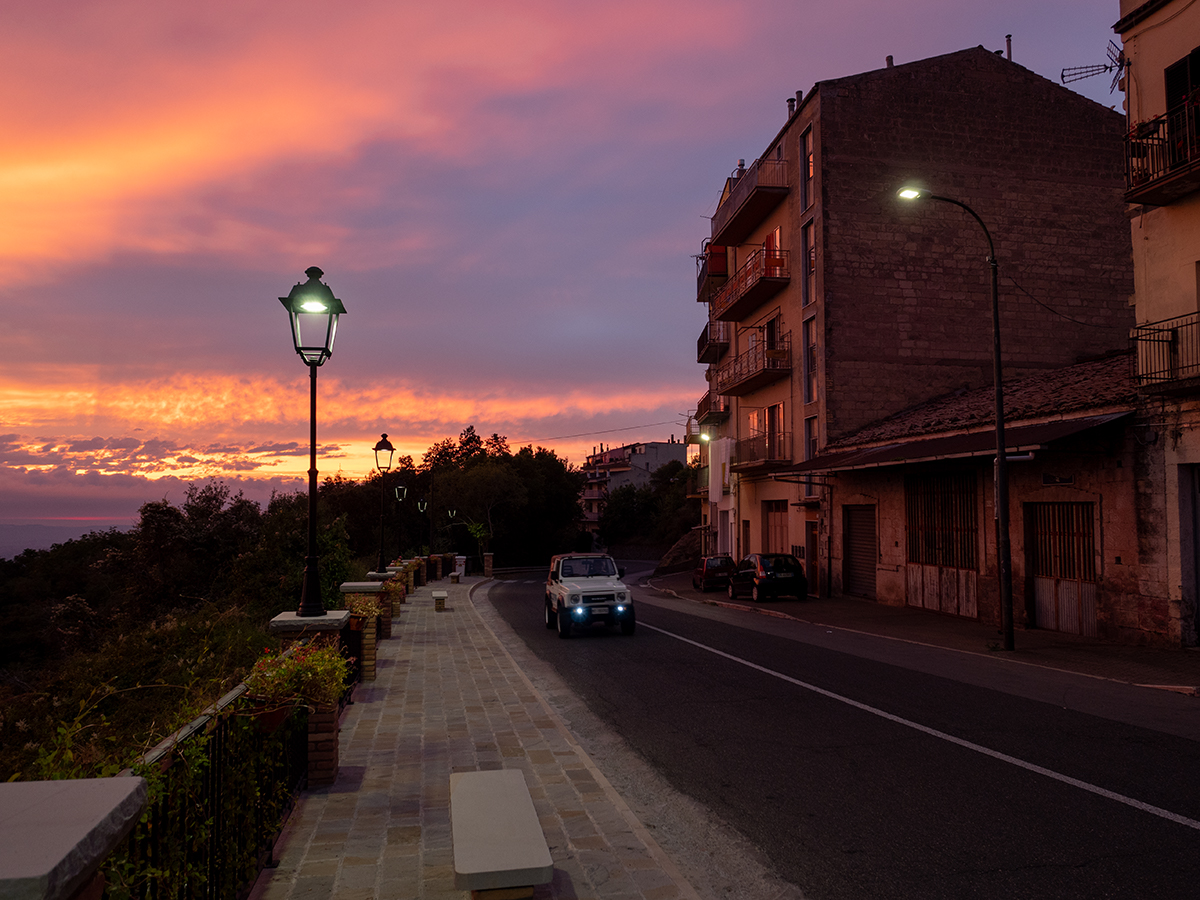
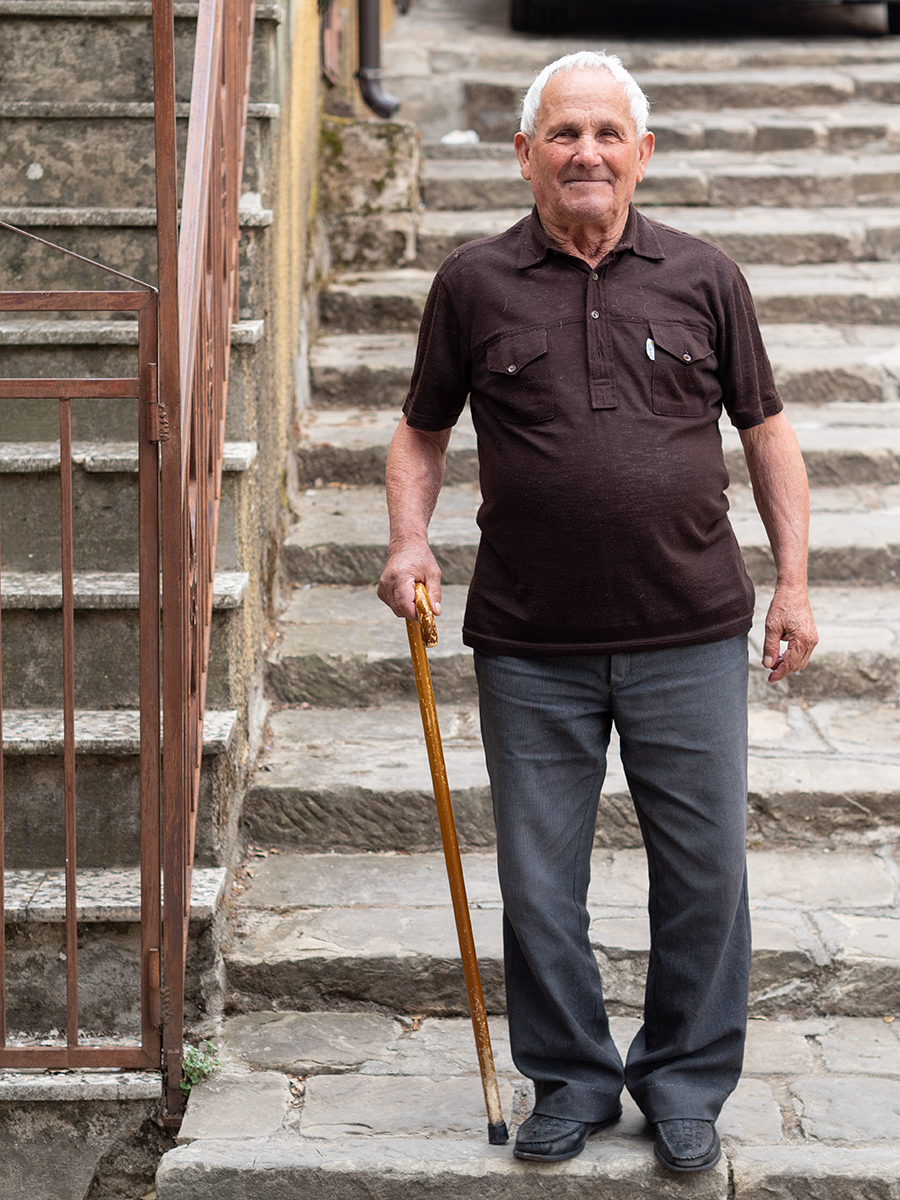
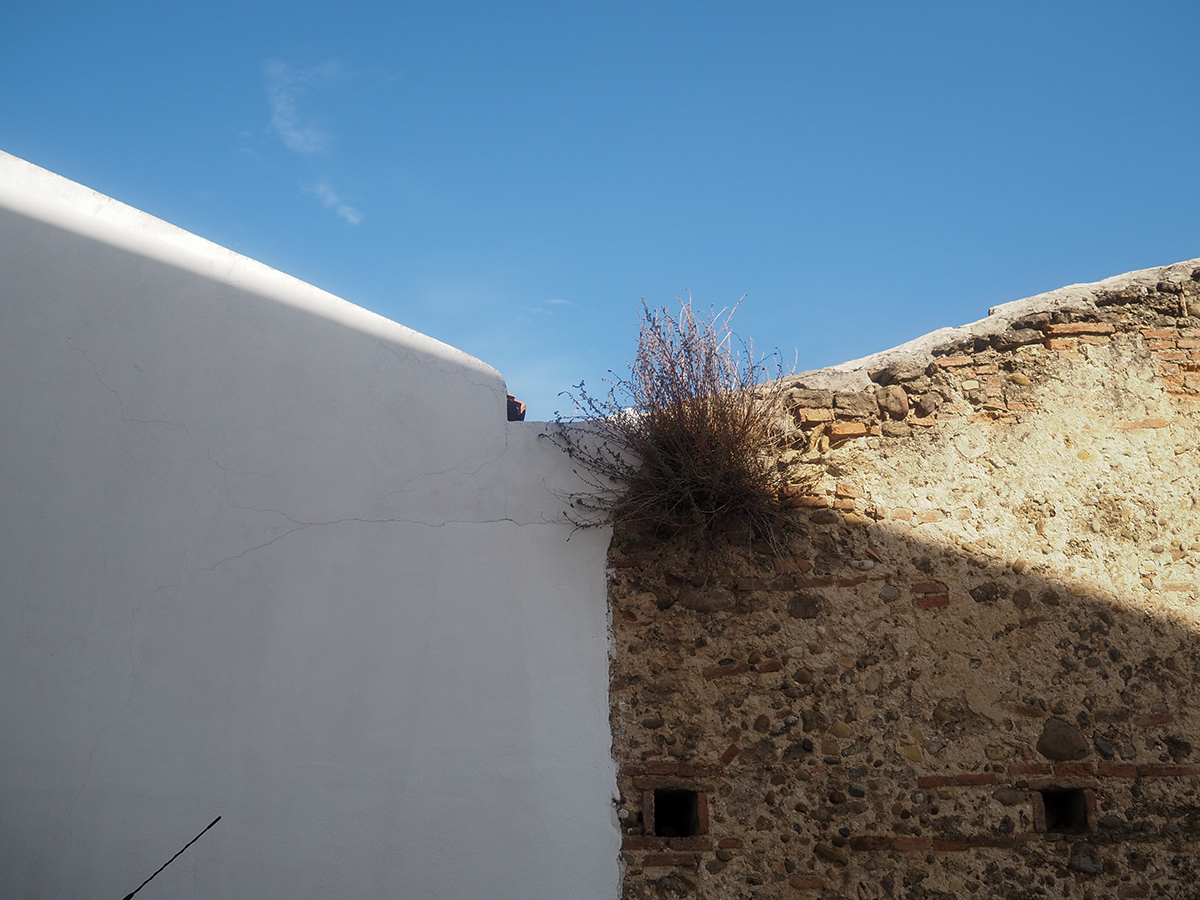
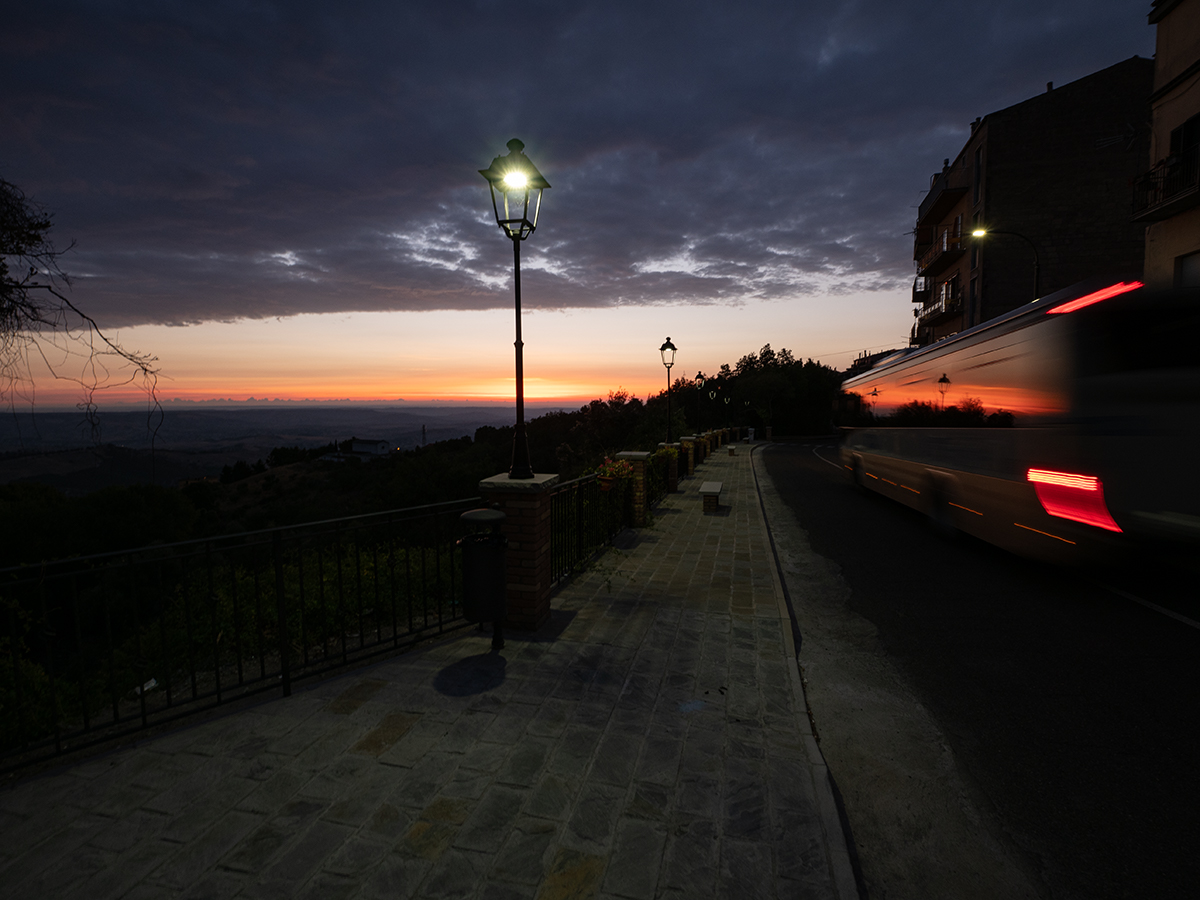

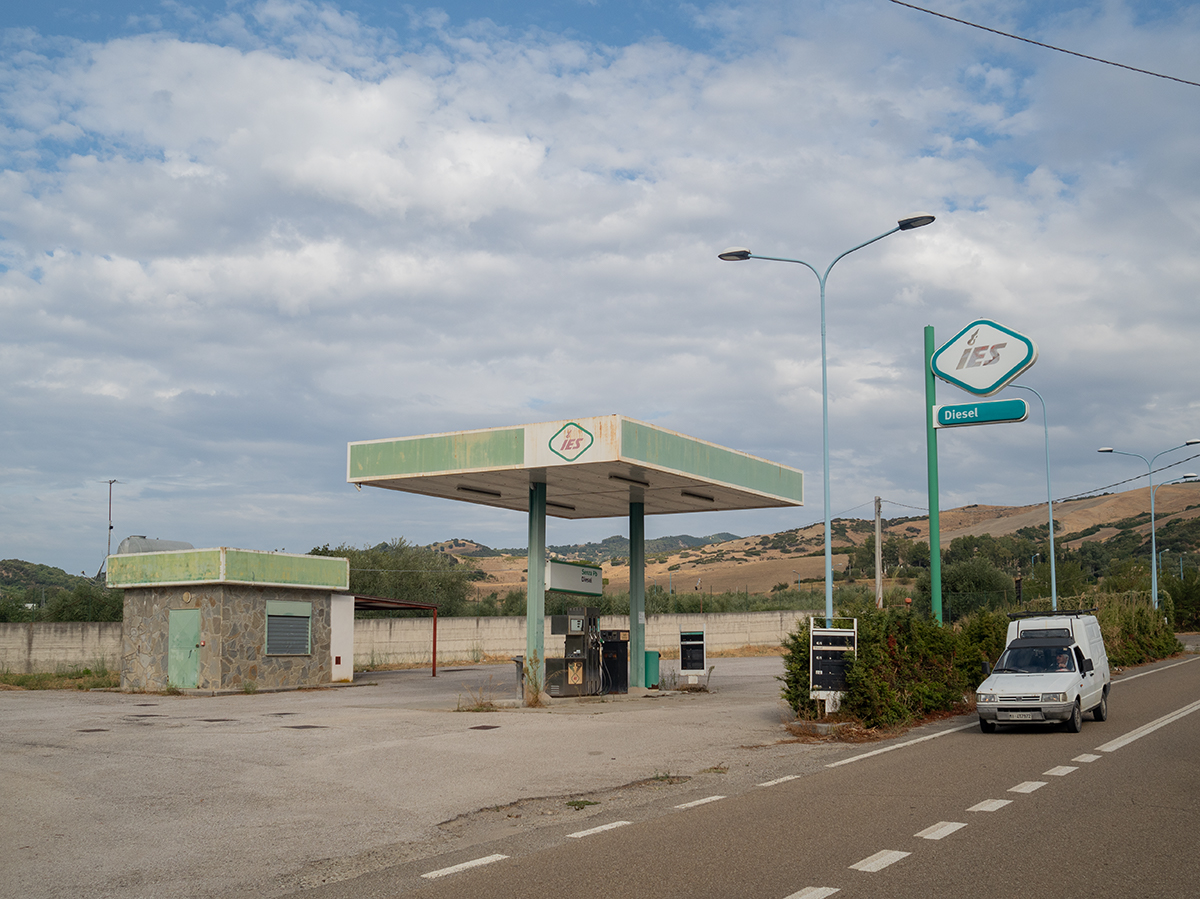

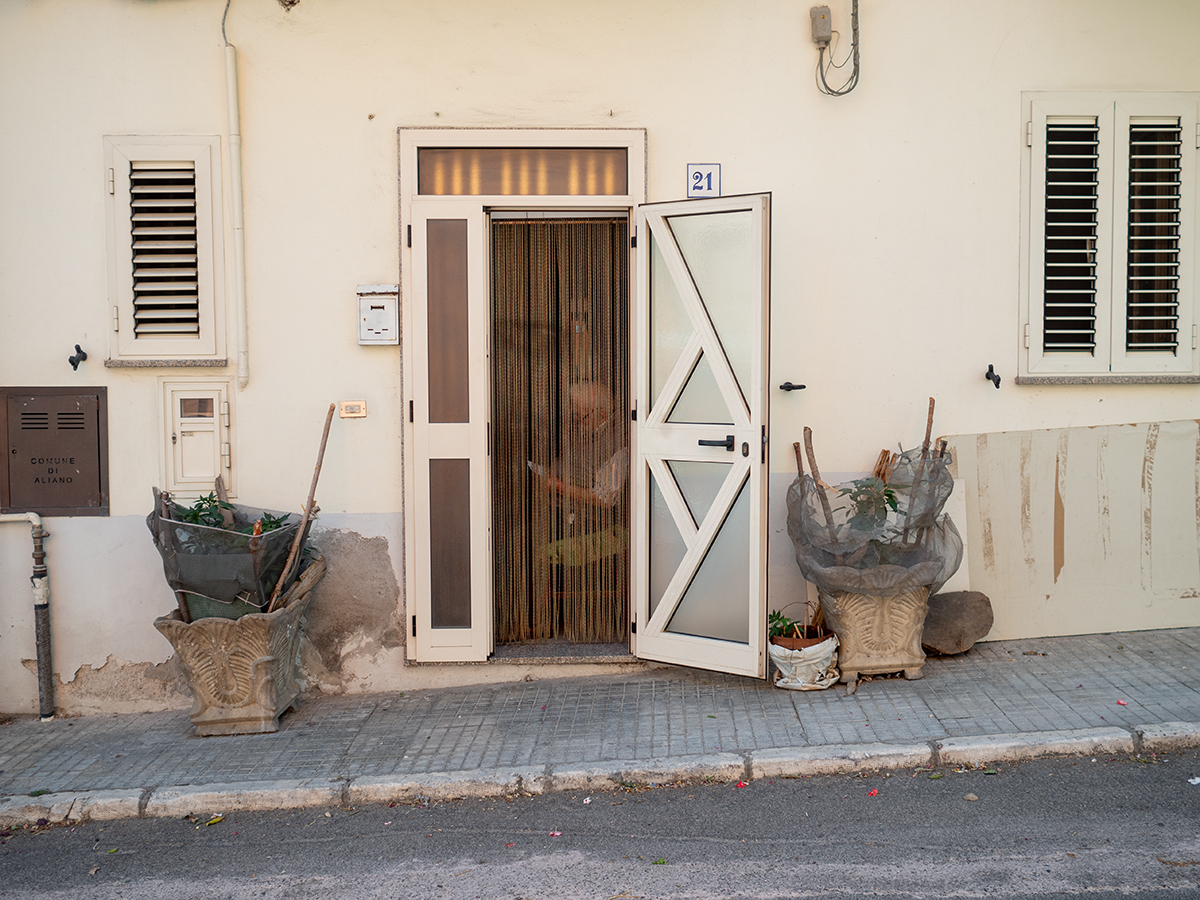

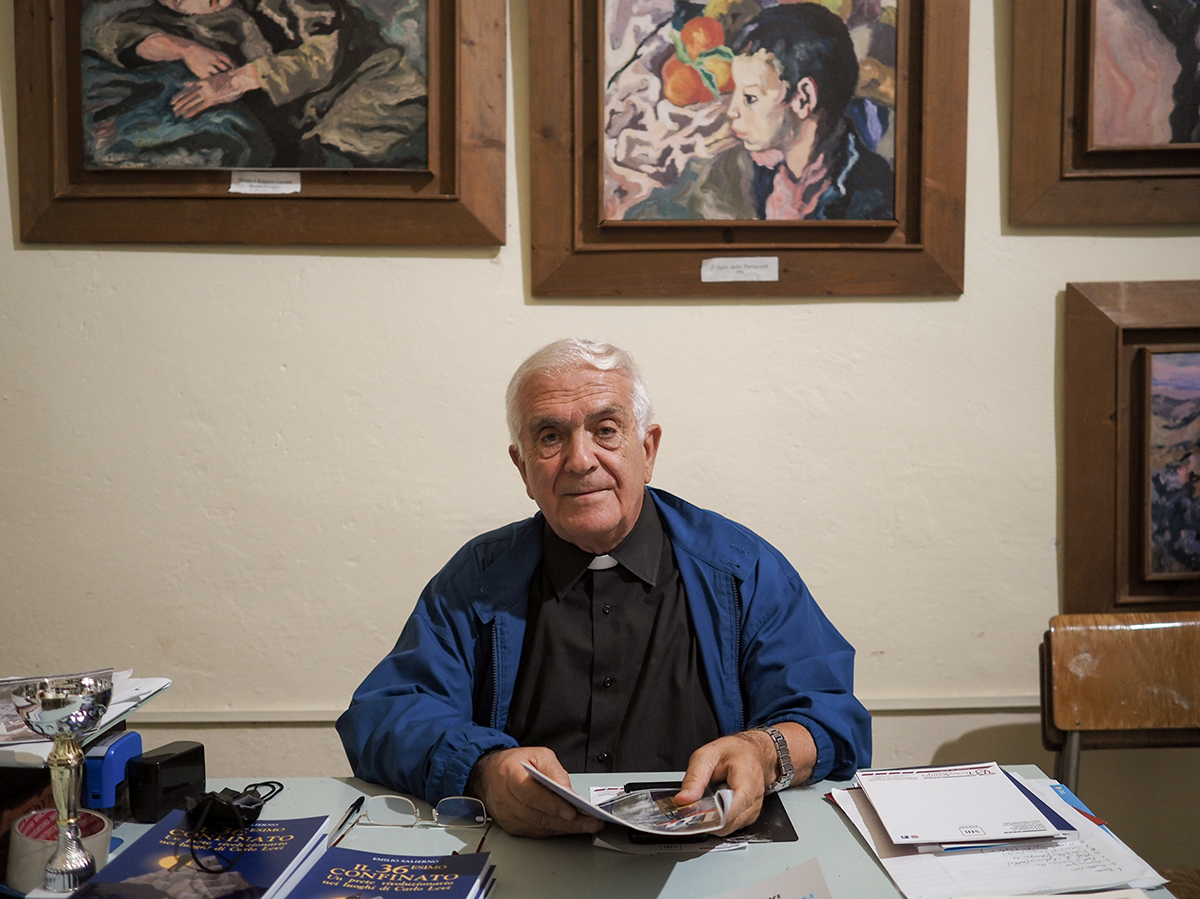
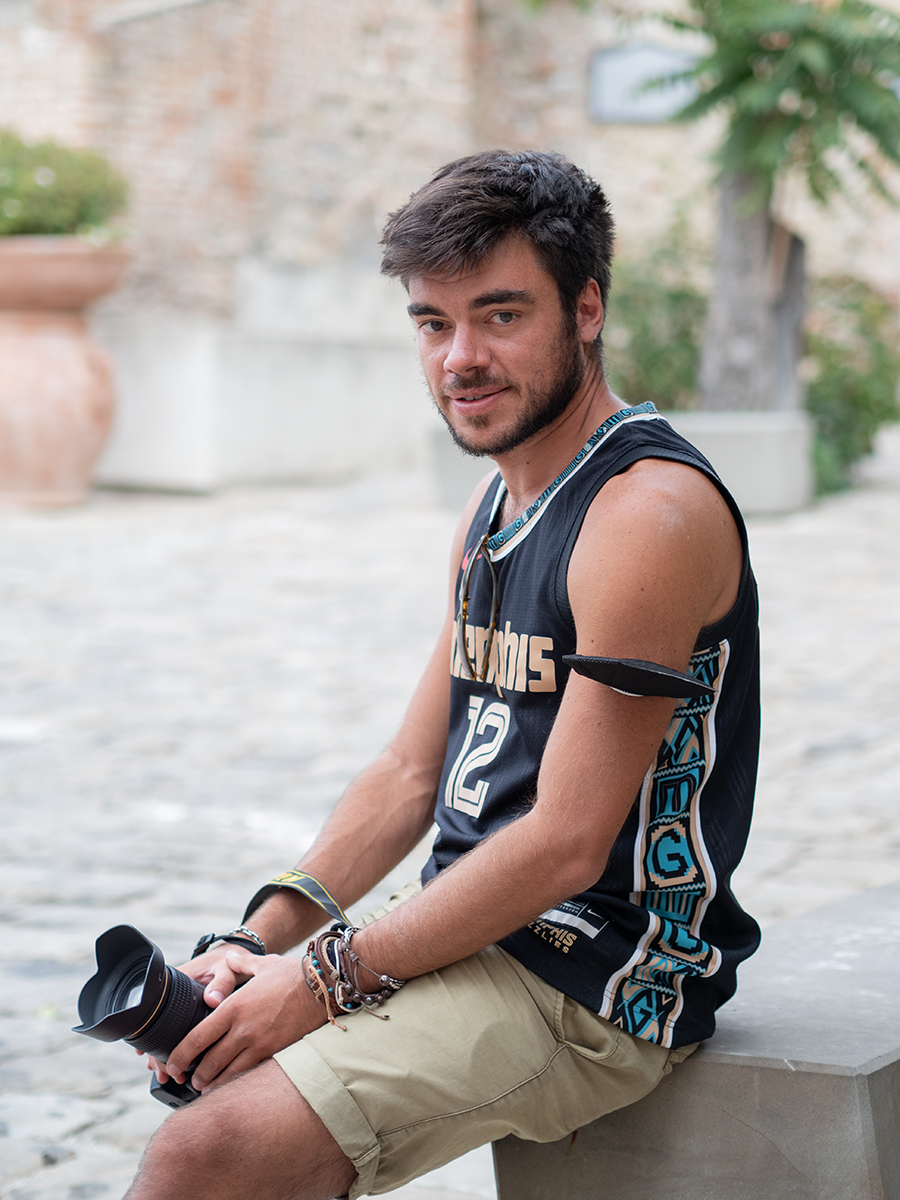
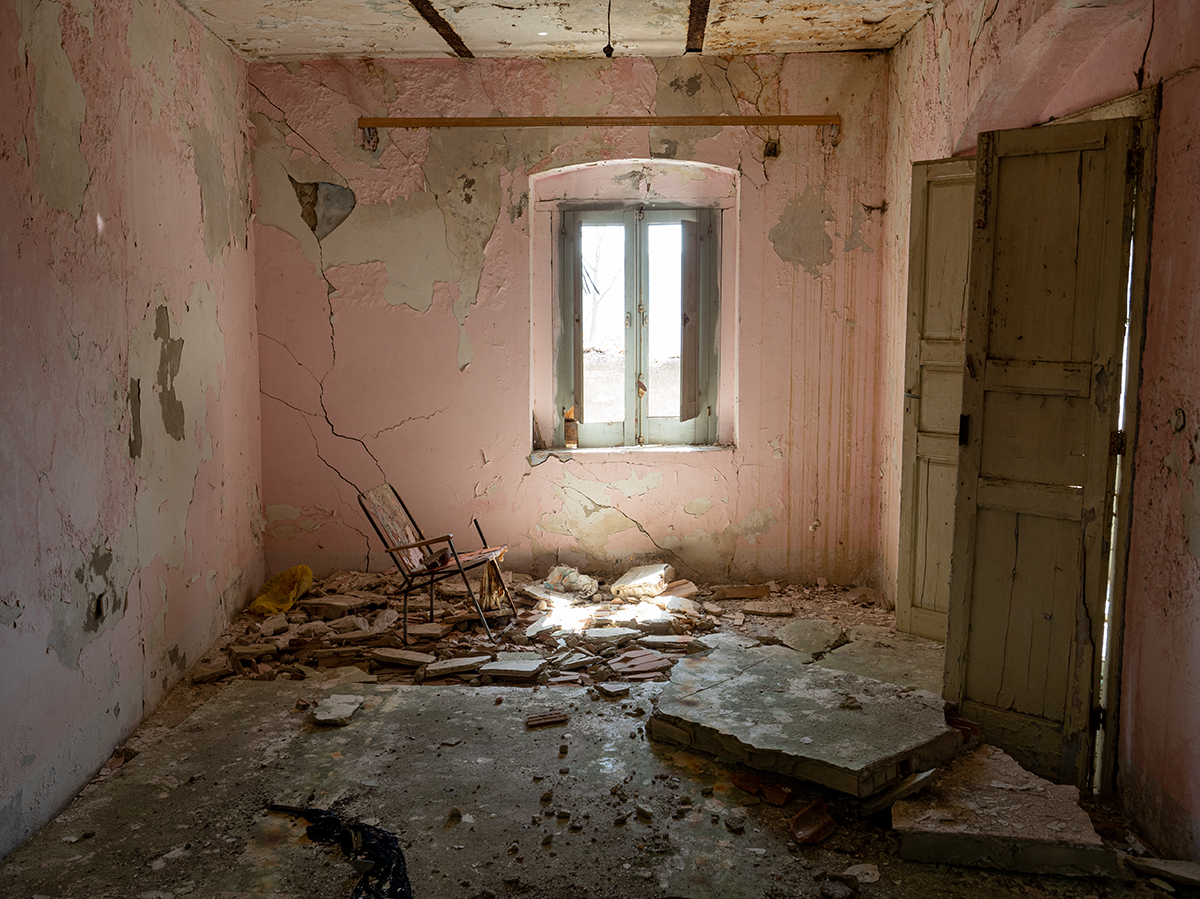
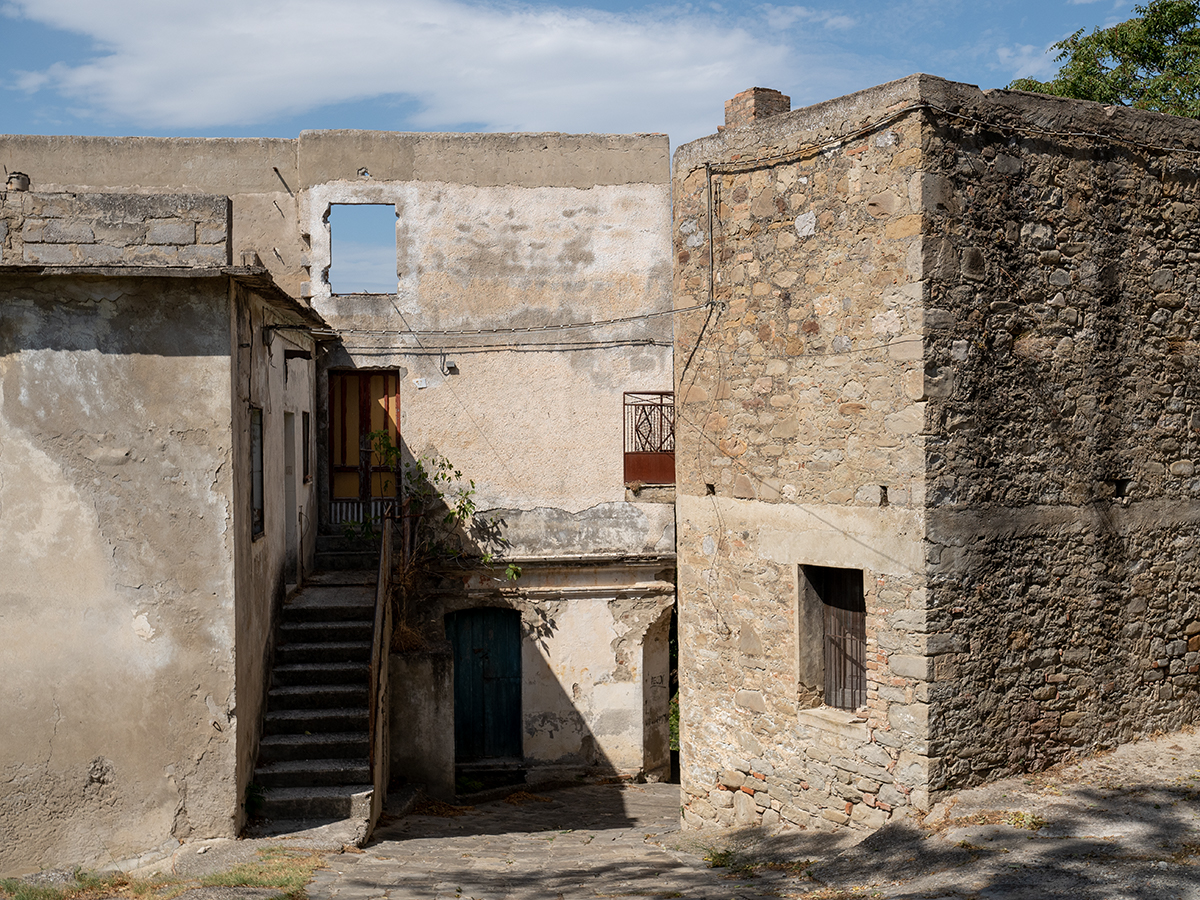
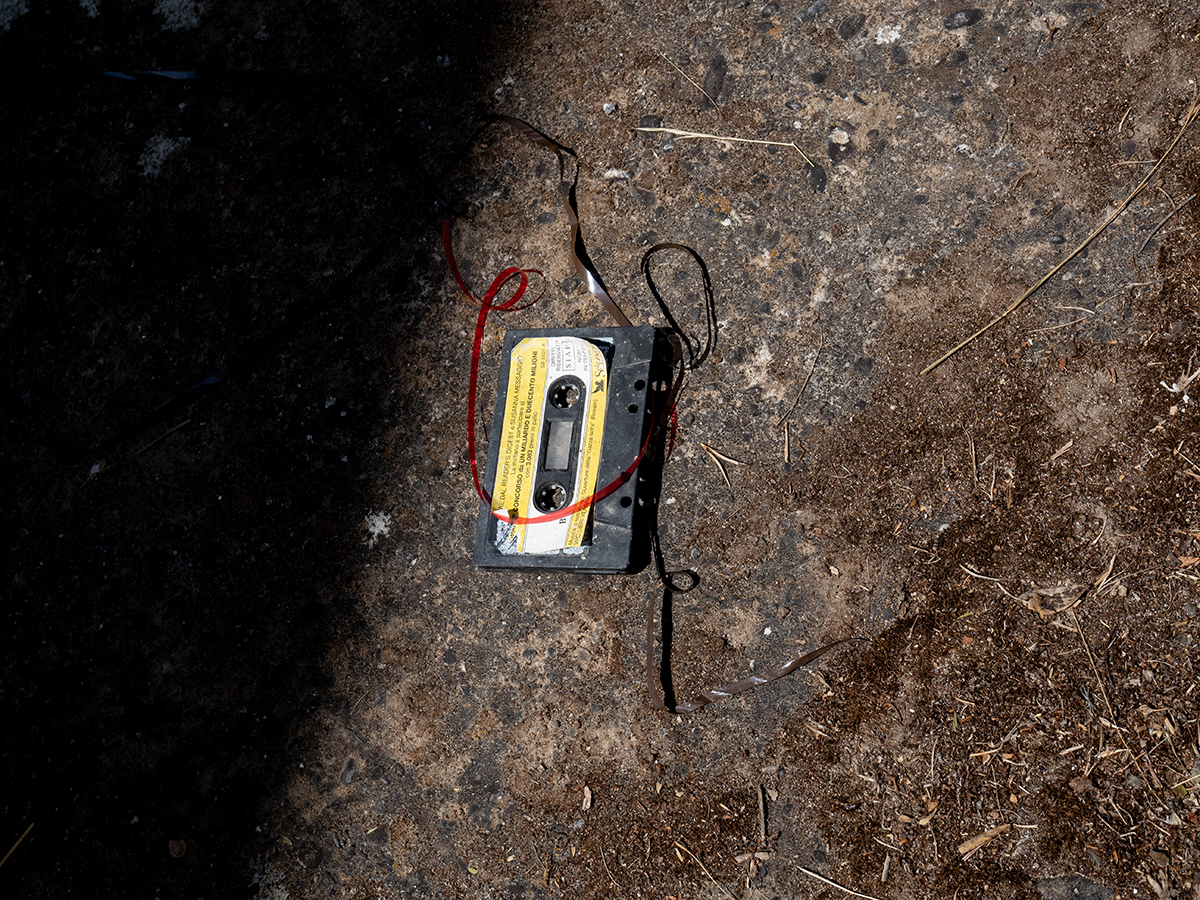
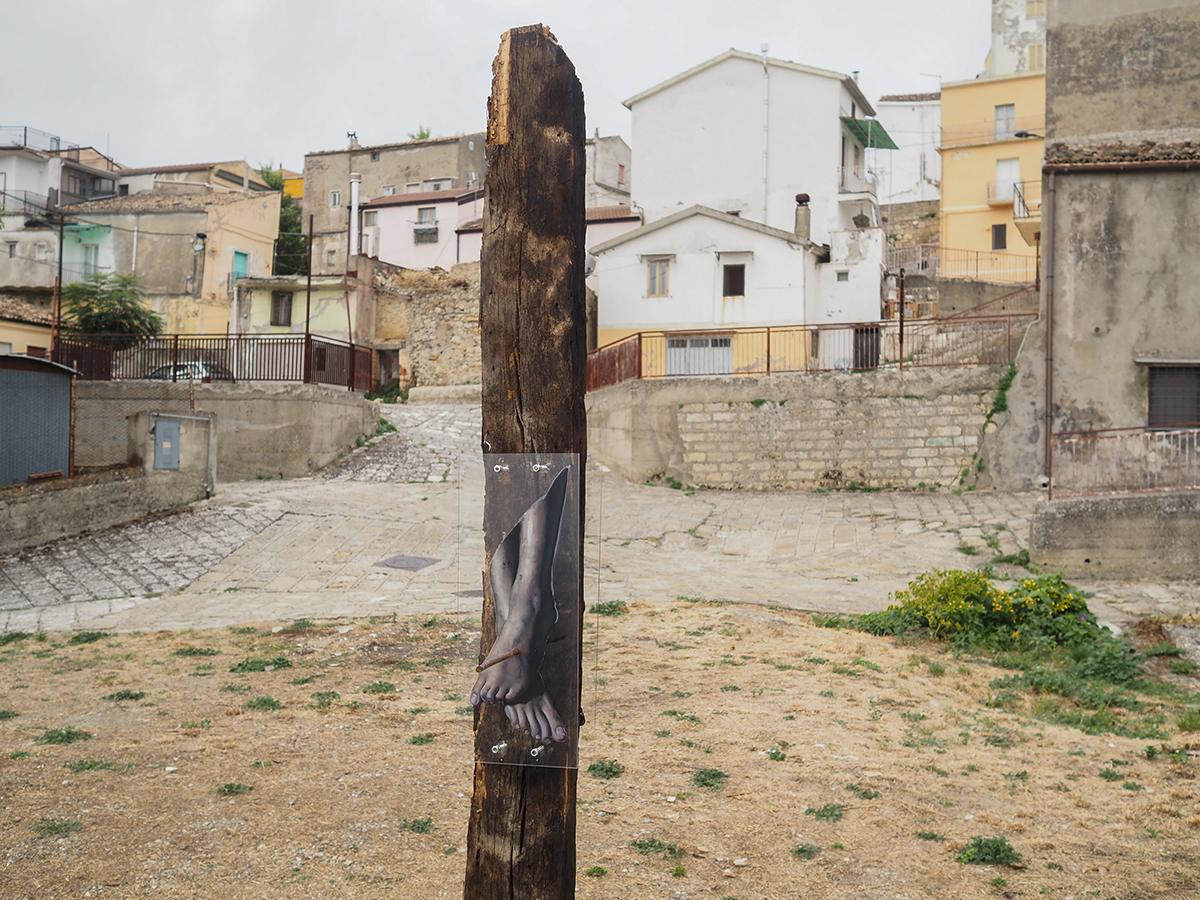



You always and only read technical considerations, on the laboratory bench (at home, almost always!), With a careful vivisection of the content of those millions of pixels and never any consideration on what happened before and after the fateful ” click ”, if the machine was an obstacle or a support to an idea or a project: in short, worthy of its role!
Hence the idea of setting up this journey in such a way as to bring this spirit and this approach to the camera to the field: a tool, not a technological fetish.
And it is precisely this that I want to talk to you about after spending 4 days using a photographic kit capable of thrilling results and without ever being an obstacle – but rather a help – in the travel / displacement / investigation operations that I had proposed again.
In these intense days I would have had to walk many kilometers, talk and interact with strangers, move between urban environments and natural landscapes, that is to deal with all aspects of travel photography. What would I need, I asked myself, to be able to move quickly and without particular encumbrances while maintaining a good versatility of shots and without giving up anything?
Surely the choice had to fall on the use of two camera bodies: the unexpected can always happen, so a spare body was necessary; secondly, being able to use two different bodies, I would also have had two different approaches.
One of the two cameras had to have features of greater comfort and ergonomics to be able to compose and frame with more precision and be better balanced in weights using the thickest lens I had with me, the Zuiko Pro 8-25mm F / 4, but I wanted also something else that complied with instinct, to be quickly extracted like a gun from a holster and that allowed you to click without even having to bring it close to your face, instinctive like a smartphone: and the new PEN EP 7 would have been perfect for this task.
Here is the complete list of the equipment used:
Olympus OM-D E-M10 mark IV
Olympus PEN E-P7
Zuiko 12mm f/2
Zuiko 17mm f/1,8
Zuiko 45mm f/1,8
Zuiko Pro 8-25 f/4
3 cards SDHC 64 GB Angelbird V60 II
1 powerbank 20.000 ma
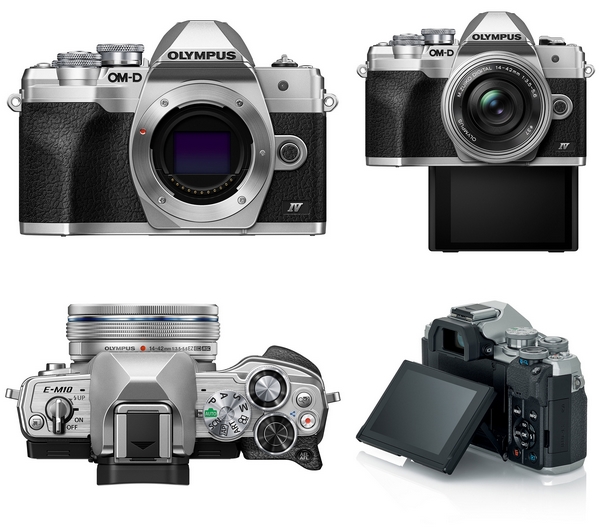
The OM-D E-M10 MarkIV and the PEN E-P7 met these needs perfectly. Identical, from the point of view of performance, different, in the field, by type of approach and use, they were exactly the two companions I needed.
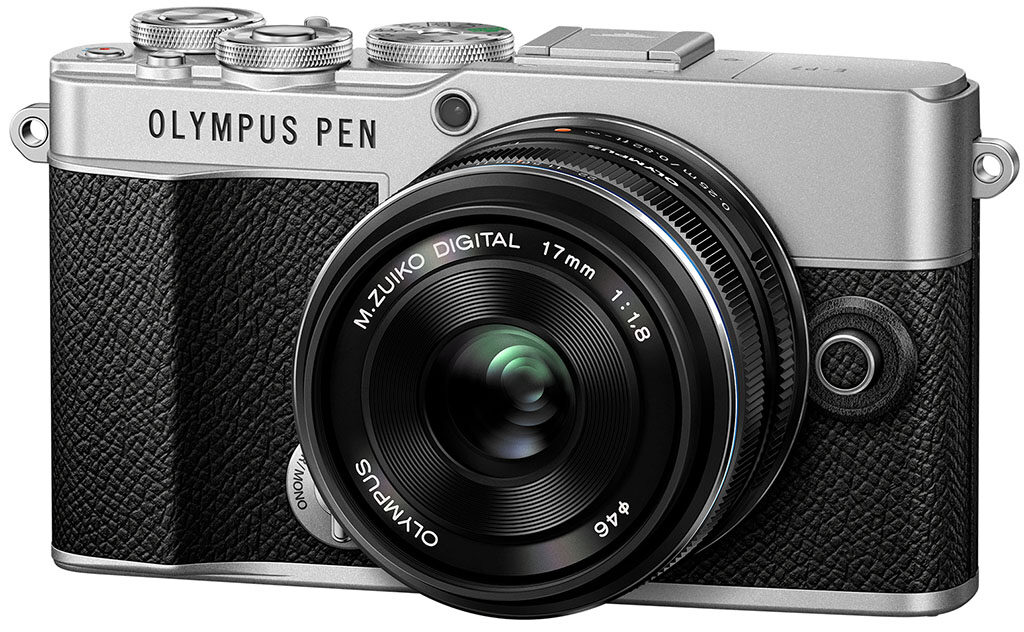
I have often wondered, while I was using them, why so many users immediately turned to top-of-the-range models (of any brand!), immediately upsetting their needs and complicating their lives with objects designed for a completely different category of users. The menus and the interface of these two Olympus (substantially identical in the two) are designed to offer all modes, even the most advanced, in a very simple way. An example is the AP menu, which can be activated via the mode dial, which conveniently contains all the advanced functions such as HDR, Live Time, Bracketing, silent shooting, Panorama, trapezoid compensation: all at your fingertips in an instant!
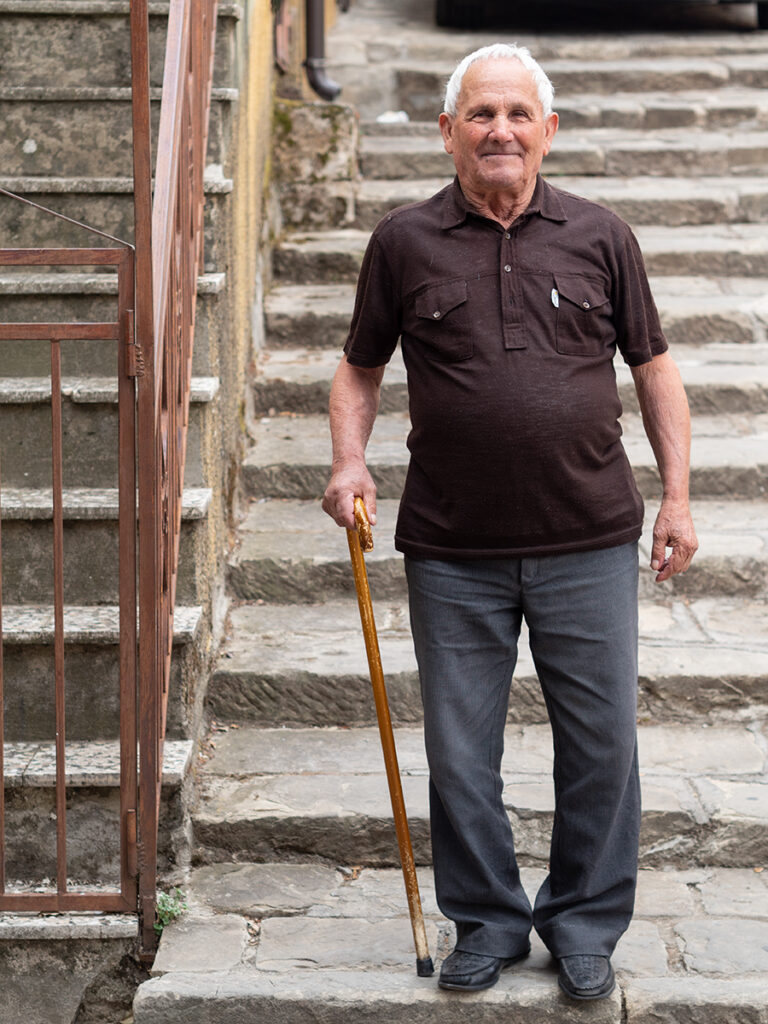
And let’s face it: it was certainly not the characteristics of infallible and super effective AF or the incredible sequential shooting speeds (which many chase after considering presences essential to take a good photo) that allowed me to take a beautiful portrait of some of the many people I met, but my discreet way of putting myself and quickly finalizing that moment granted to me after some chat: it is at that point that I lift my E-P7 with a small and discreet Zuiko 45 mm f / 1.8, I take a quick look at the display, I smile and … click-click I bring home what I need. I don’t need to think about what it would have been like “if I had had my …” with me: the photograph I had in mind, that I had to make, is exactly the one I just took!
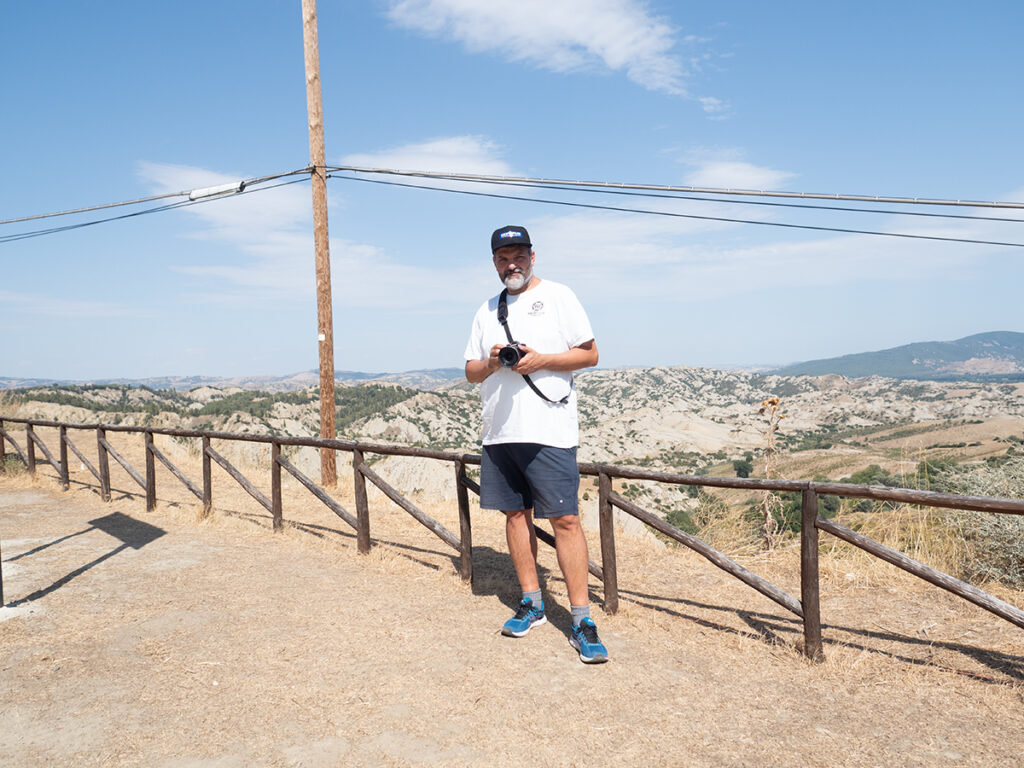
It is then thanks to the 17mm, small and discreet, mounted on my OM-D E-M10 mark4 that I quickly compose a shot (even in difficult light conditions), I shoot it and, almost imperceptibly, I let my camera slide along my side, firmly anchored to my Blackrapid shoulder strap, while in the other hand I hold the PEN with the 12mm ready to shoot, instinctively, almost without even looking. The shot I already have in mind, in my eyes: a snap of instinct, pure reaction to the situation.
What if it gets a little crooked? Never mind, I stole an emotion, I fixed an unrepeatable moment: I have some margin, I have 20MP of high quality on which to be able to intervene for a slight crop or straightening.
Photography is also emotion, not just sharpness and detail.
Here is explained more precisely how I divided bodies and lenses according to the commitments I faced. For panorama and reportage situations: Zuiko 8-25 Pro mm on the E-M10 and 17mm on the EP7; for urban street 17mm on the OM-D and 12mm on the PEN; finally for portrait: 17mm on the OM-D for ambient shots and the 45mm on the PEN for tighter shots!
Oh yes, the 45mm on the small PEN, and moreover without a viewfinder !!
You can’t imagine how easy it is to involve a stranger in a portrait if you don’t “terrify” him with some big tool.
For those like me who do not have the patience to carry a tripod on their shoulders all day and prefer to experience reportage and travel photography with a direct approach to the field, without too many subsequent interventions, the integrated functions of these two machines are more than abundant.
Very useful, in both, the USB charging function that I used via a large powerbank: as soon as possible I put the two cameras in charge and in this way I did not even have to use spare batteries. At the end of the day, at the hotel, I backed up the SDs and was ready for the following day.
If a tool simplifies our travel and, in general, our experience, it means that we are already over half the battle, without obsession with the result. Everything that makes life easier for us relaxes us, and if we are serene everything works better, we smile and have fun. And therefore, consequently, we do everything better, even taking pictures.
If we are calm, everything becomes much simpler. Guaranteed. Thank you little big Olympus.
Thanks to Polyphoto / Olympus Italia for the collaboration
https://www.polyphoto.it/categorie/olympus